Sensing the world around us
Logo

Nobel Prize monthly, August 2026 

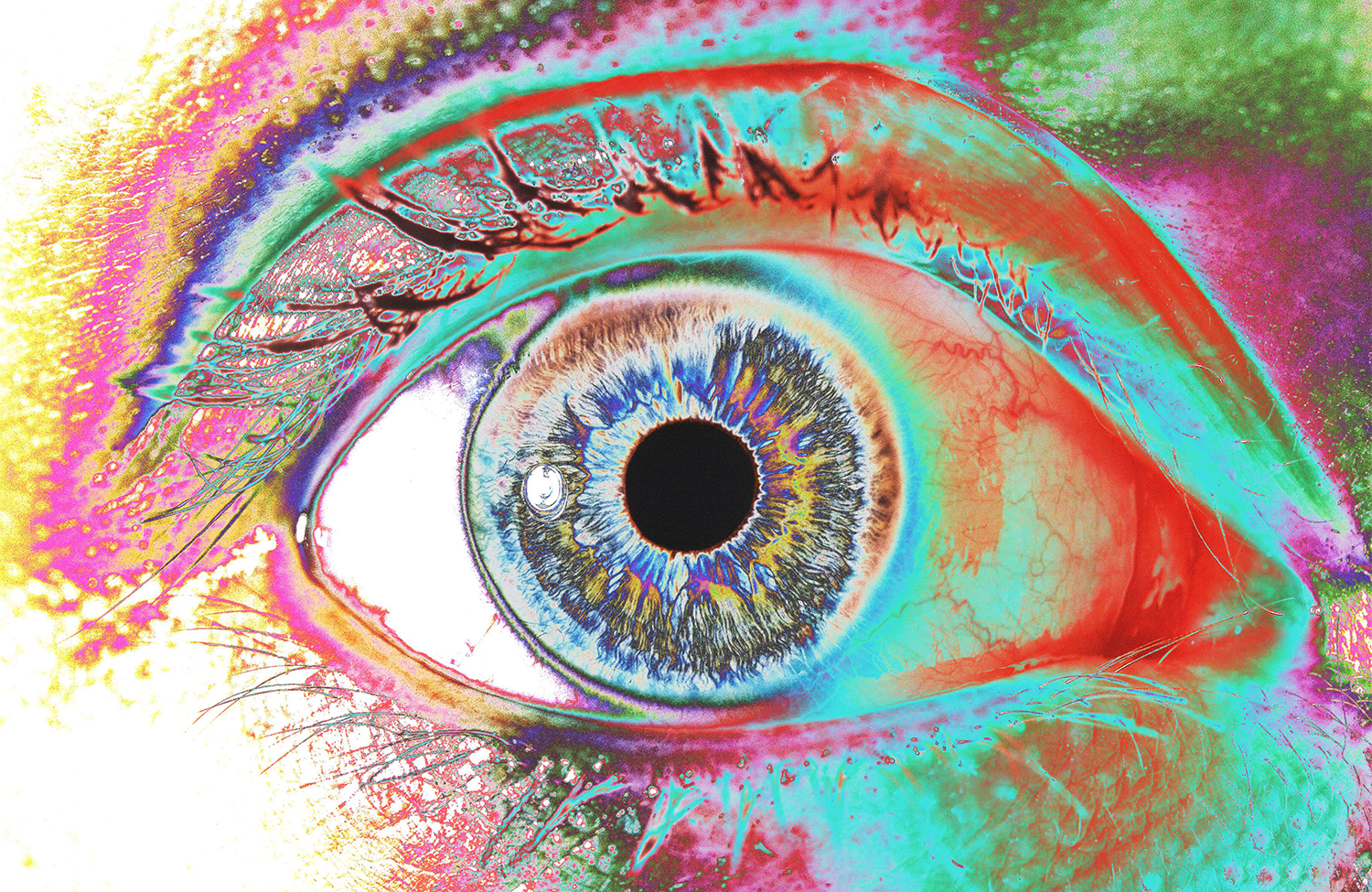
Human eye

Human eye. Credit: Kate Whitley. Source: Wellcome Collection. Licence: Attribution 4.0 International (CC BY 4.0)

Sensing the world around us

Our ability to see, hear, smell, taste and touch is essential for survival and underpins our interaction with the world around us. In our daily lives, we take them for granted, but the mechanisms underlying our senses have not always been known. Learn more about some of this sensational Nobel Prize-awarded work.
Sight

David Hubel and Torsten Wiesel studied the visual process and disclosed one of the most well-guarded secrets of the brain: the way brain cells decode messages from the eyes. They were awarded the 1981 medicine prize for their discoveries concerning information processing in the visual system. Watch Wiesel explain his research 

Hearing

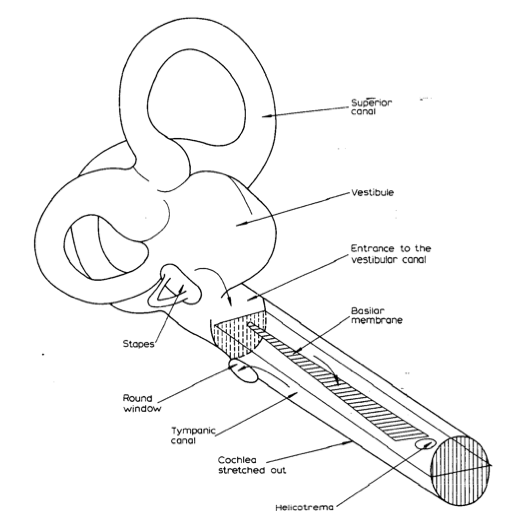
The sounds we can hear are caused by changes of pressure in the air that are transformed into nerve impulses in the inner ear. Medicine laureate Georg von Békésy’s studies on the dynamics of the inner ear helped us understand the hearing process.

Illustration

Schematic diagram of the inner ear. Drawing from Georg von Békésy's Nobel Prize lecture.

Different smells

Smell 

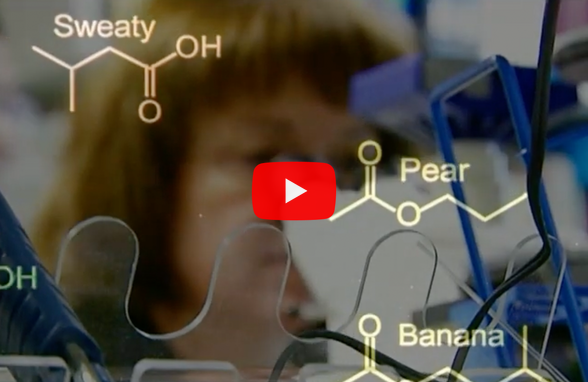
The sense of smell long remained the most enigmatic of our senses. The basic principles for recognising and remembering the vast amount of different odours were not understood. In the 1990s, Linda Buck broke new ground when she discovered hundreds of receptors for odours in the nose and uncovered how information from those receptors are organised in the nose and the brain. Listen to the 2004 medicine laureate explain her work

Taste 

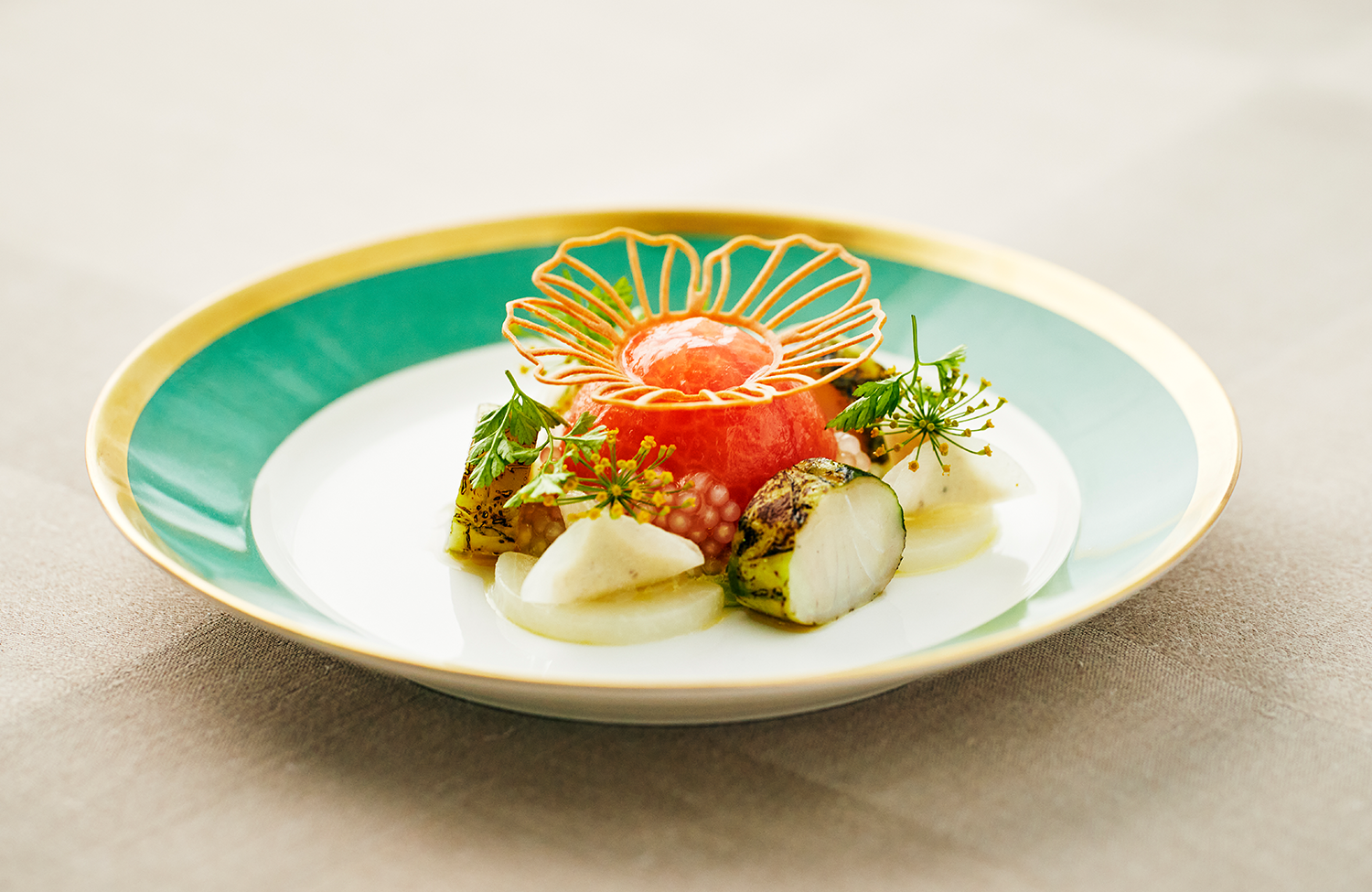
The Nobel Prize banquet is held every year on 10 December in Stockholm, Sweden to celebrate that year’s Nobel Prize laureates. Each banquet features a unique three-course menu. Looking back at history, the banquet menus provide an interesting culinary story, from consommés to ice cream parfait.

Food

The first course at the 2022 Nobel Prize banquet. © Nobel Prize Outreach. Photo: Dan Lepp

Illustration

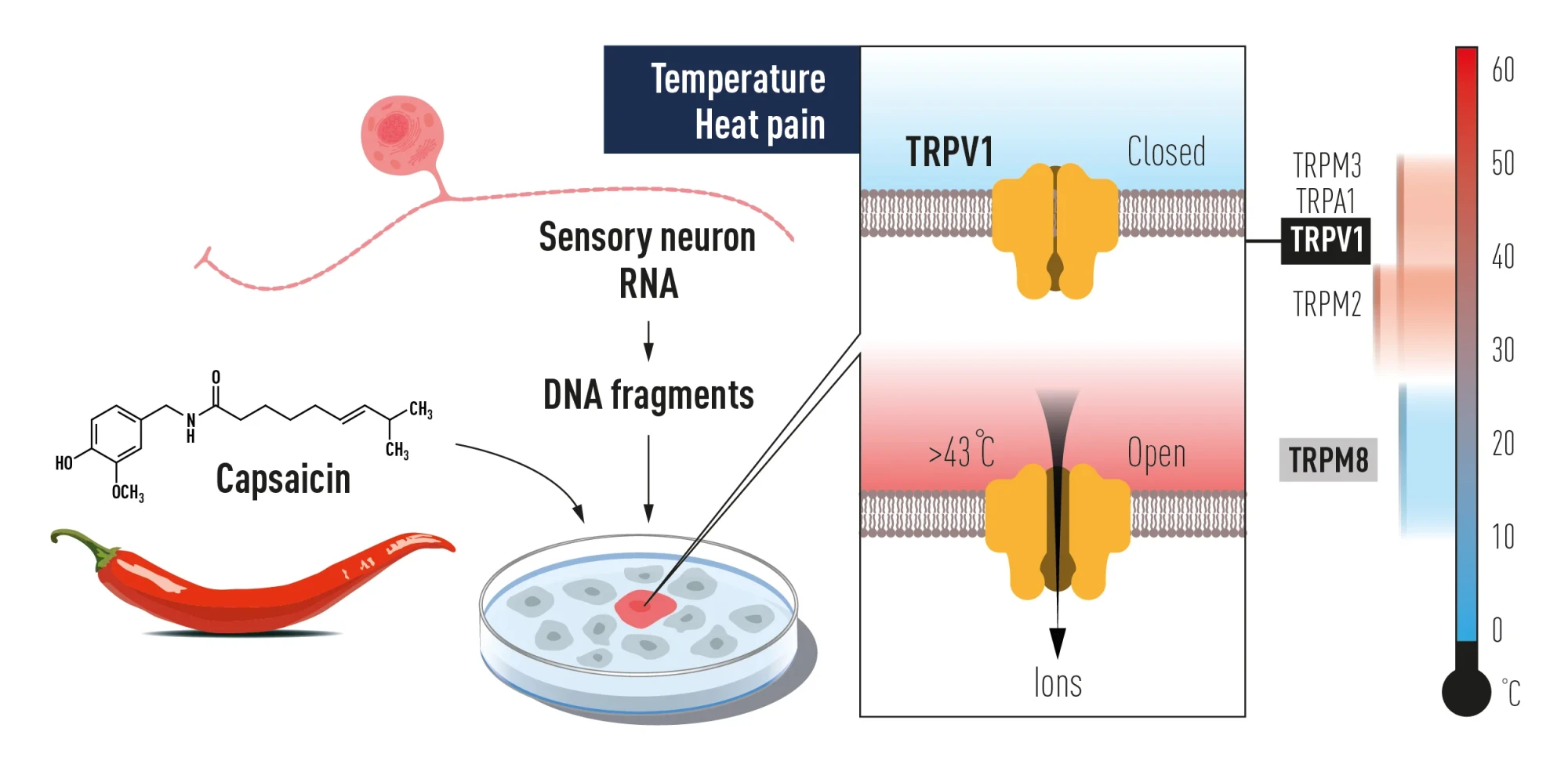
David Julius used capsaicin from chili peppers to identify TRPV1, an ion channel activated by painful heat. Additional related ion channels were identified and we now understand how different temperatures can induce electrical signals in the nervous system. © The Nobel Committee for Physiology or Medicine. Ill. Mattias Karlén

Touch 

A sweet caress, the first kiss... We all have fond memories of touch, although they are only perceptions resulting from activation of neural receptors. David Julius and Ardem Patapoutian discovered the receptors for temperature and touch and thereby explained the fundamental mechanisms underpinning how we sense the world within and around us. Read more about the discoveries of the 2021 medicine laureates

Monthly quiz

Ear's essential 

To understand how the hearing process works, 1961 medicine laureate Georg von Békésy studied the spiral-shaped cavity in the inner ear that contains the sensory organ for hearing. What is the cavity called? Make a guess and click to submit your answer. 

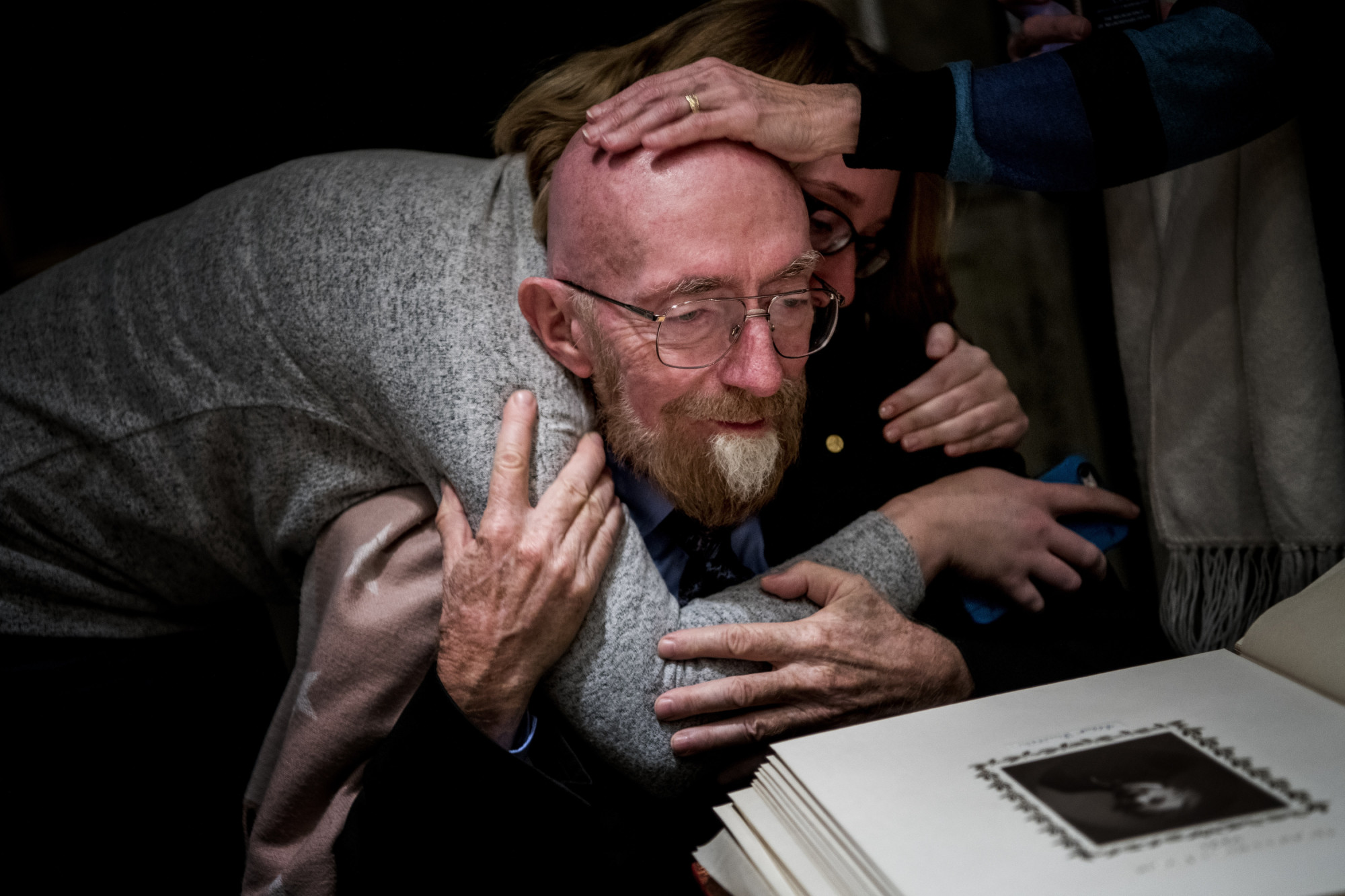
Man

Kip Thorne, Nobel Prize laureate in physics 2017, is overcome with emotion while looking at the image and signature of fellow laureate Albert Einstein. © Nobel Prize Outreach. Photo: Alexander Mahmoud

Interested in learning more?

This email was sent to you as a subscriber of Nobel Prize monthly

We maintain a strict privacy policy for the newsletter. When you sign up, you can be assured that your email address will not be sold or given to any third party.