{{ event.message }}
Adaptations
Drag here to change the width

50 years on – how much do you know about the 1976 Nobel Prizes?
Logo

Nobel Prize monthly, March 2026 

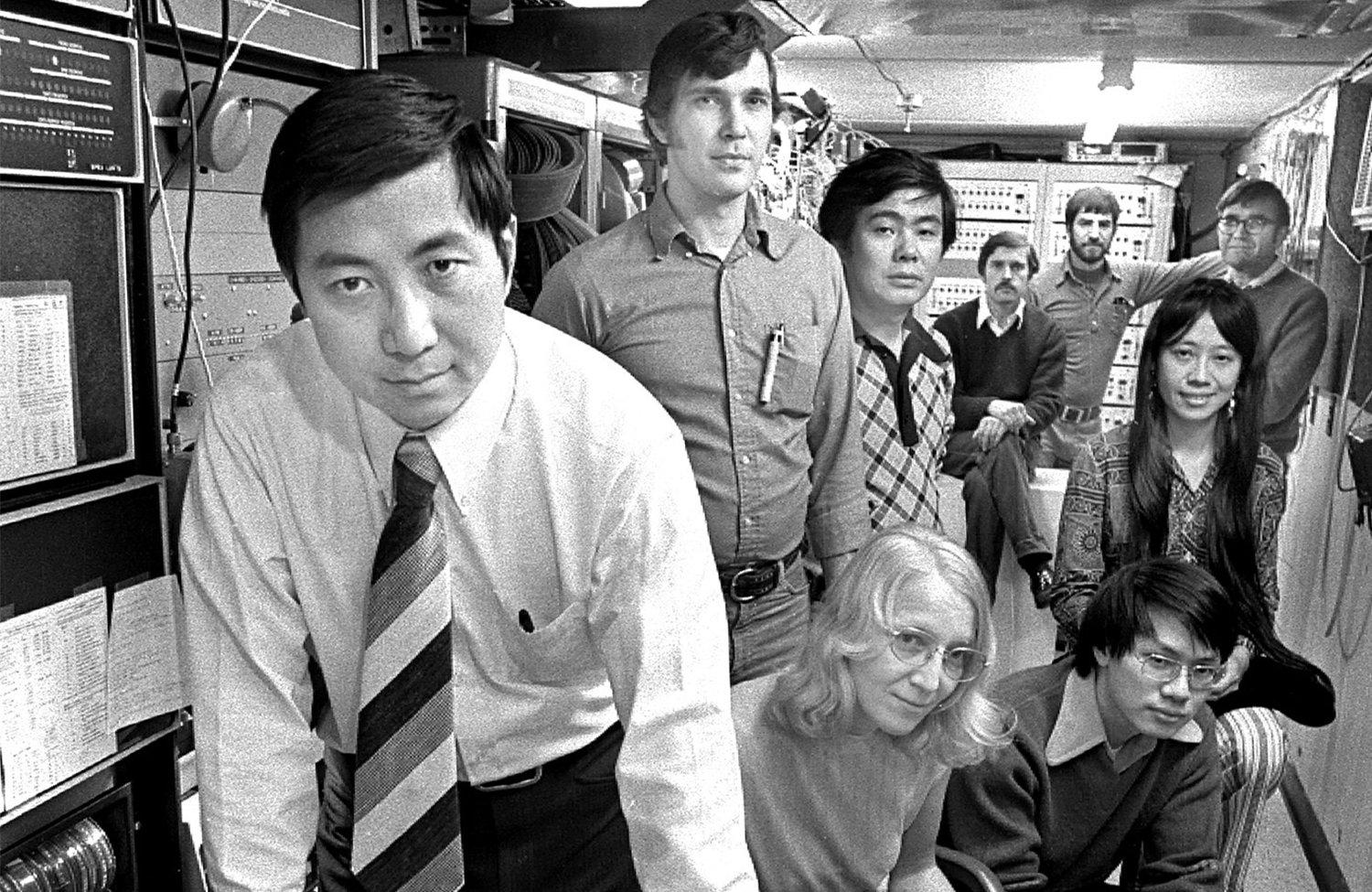
Samuel C.C. Ting and team

1976 physics laureate Samuel C.C. Ting and his research team at Brookhaven National Laboratory. Photo: Courtesy of Brookhaven National Laboratory

Still remembered 50 years on 

In 1976, nine laureates were awarded the Nobel Prize and the prize in economic sciences. Their work and discoveries ranged from elementary particles to peacebuilding in Northern Ireland. Read more about the 1976 Nobel Prizes.

A new elementary particle

Physics prize 1976

The Nobel Prize in Physics 1976 was awarded jointly to Burton Richter and Samuel Chao Chung Ting “for their pioneering work in the discovery of a heavy elementary particle of a new kind.”


For centuries physicists and chemists had devoted much of their efforts to a search for the smallest components of matter.

Charts

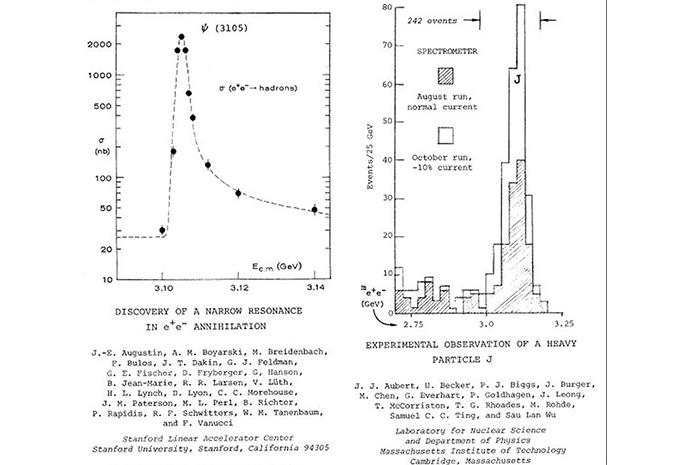
Independently of each other, Burton Richter and Samuel Ting discovered the new heavy particle J/psi. During the experiments, the J/psi popped up as a bump in the data where none was expected. Credit: Archives, History & Records Office/SLAC National Accelerator Laboratory

The discovery of a new heavy particle, J/psi, by Richter and Ting opened a new field of research. In his Nobel Prize lecture, Richter wrote: “Nothing so strange and completely unexpected had happened in particle physics for many years.” Listen to an interview with Richter

Studies on boranes

Chemistry prize 1976

The Nobel Prize in Chemistry 1976 was awarded to William N. Lipscomb “for his studies on the structure of boranes illuminating problems of chemical bonding.”


Boranes are chemical compounds made from the basic elements boron and hydrogen. For decades, Lipscomb studied the composition of boranes, improving our understanding of how atoms bind together within molecules.

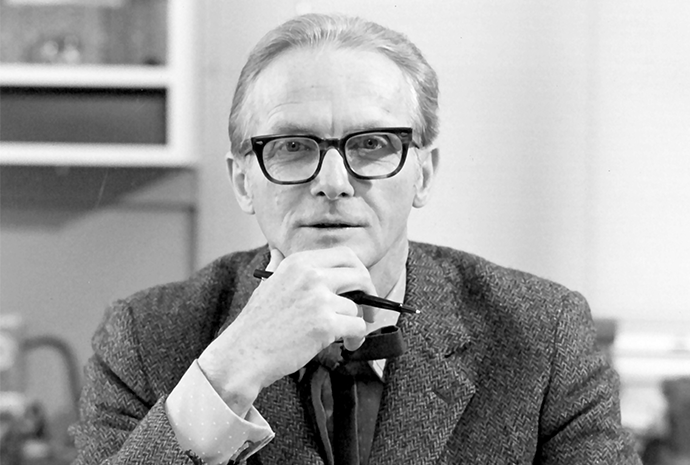
William Lipscomb

William Lipscomb at his desk. Credit: James S. Lipscomb

In the prize-awarders’ award ceremony speech, professor Gunnar Hägg of the Royal Swedish Academy of Sciences explained why the work was so important:


“Through his theories and his experimental studies he has completely governed the vigorous growth which has characterised borane chemistry during the last two decades and which has given rise to a systematics of great importance for future development.” Read the full speech

Origin of infectious diseases

Medicine prize 1976

The Nobel Prize in Physiology or Medicine 1976 was awarded jointly to Baruch S. Blumberg and D. Carleton Gajdusek “for their discoveries concerning new mechanisms for the origin and dissemination of infectious diseases.”


By analysing two different types of diseases, the 1976 laureates defined completely new principles for the behaviour of infectious diseases.

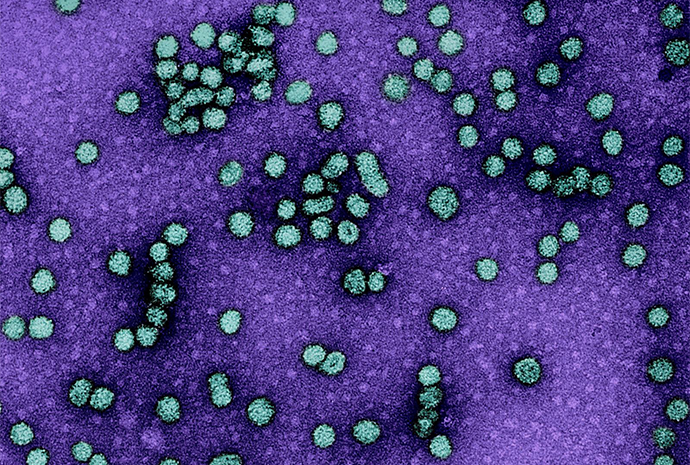
Image of hepatitis B virus particles

Colorised microscopic image of hepatitis B virus particles (teal). Photo: National Institute of Allergy and Infectious Diseases. Creative Commons Attribution 2.0 (Generic)

Blumberg unexpectedly discovered an infectious agent for hepatitis B while researching blood proteins from people in different parts of the world.


Gajdusek’s discovery of the origin of the so-called kuru disease was important for the identification of a new class of human diseases caused by unique infectious agents. Read more about the 1976 medicine prize

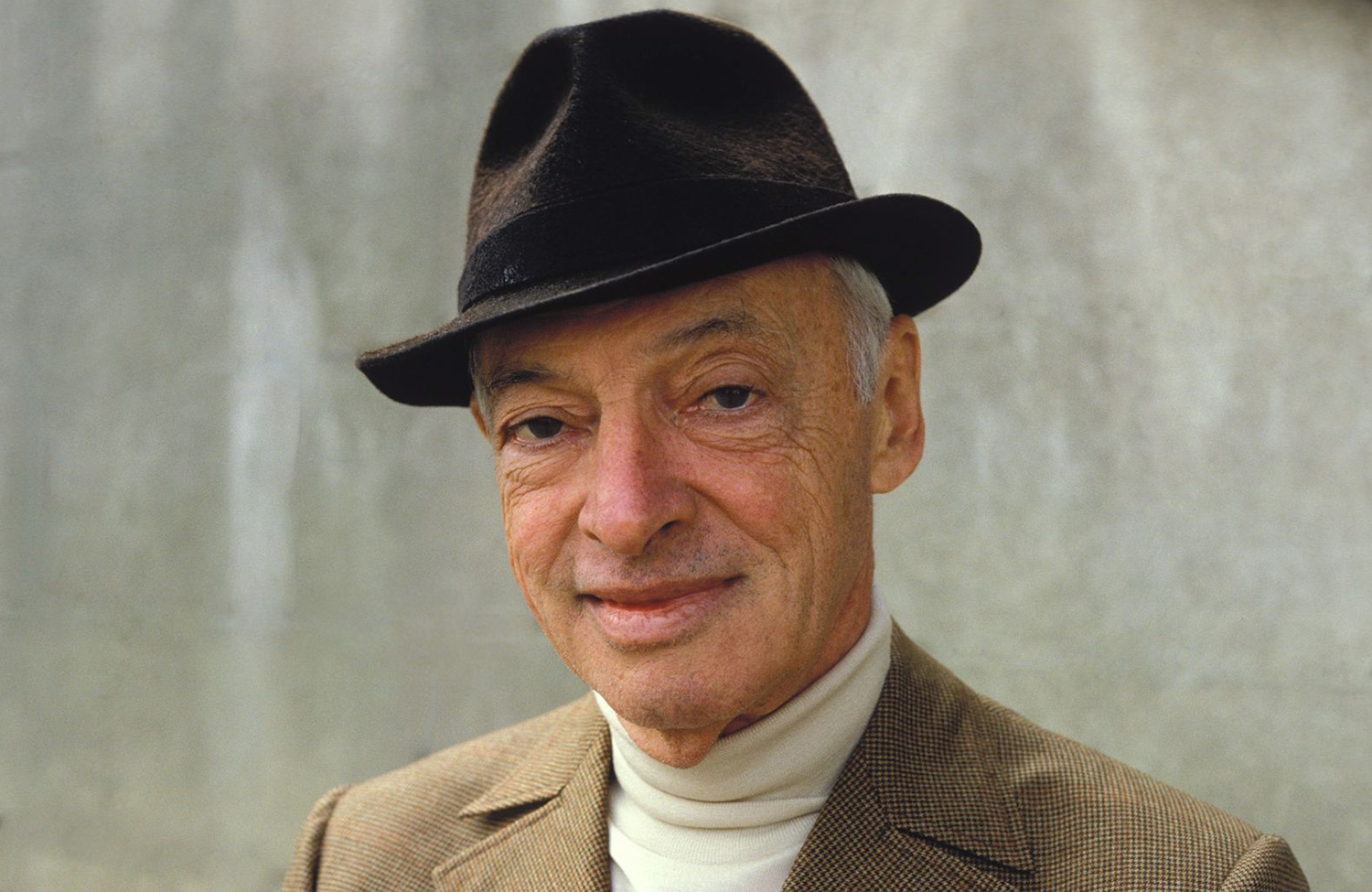
Saul Bellow

Saul Bellow posing in Paris in 1982. © Ulf Andersen – Hulton Archive/Getty Images

Innovator of the American novel

Literature prize 1976

The Nobel Prize in Literature 1976 was awarded to Saul Bellow “for the human understanding and subtle analysis of contemporary culture that are combined in his work.” Bellow was born in Lachine, Quebec, a suburb of Montreal, in 1915, and was raised in Chicago, which sometimes served as backdrop for his stories.


In this video, Bellow talks about his memories from 1920’s Chicago: “It was a city of immigrants. Everybody was in some sense displaced. But everybody was also, in a sense, enthusiastic, full of enterprise, full of wonderful gaiety, a feeling of opportunity, freedom, liberation from old ties and the rest of it.” Watch the short documentary
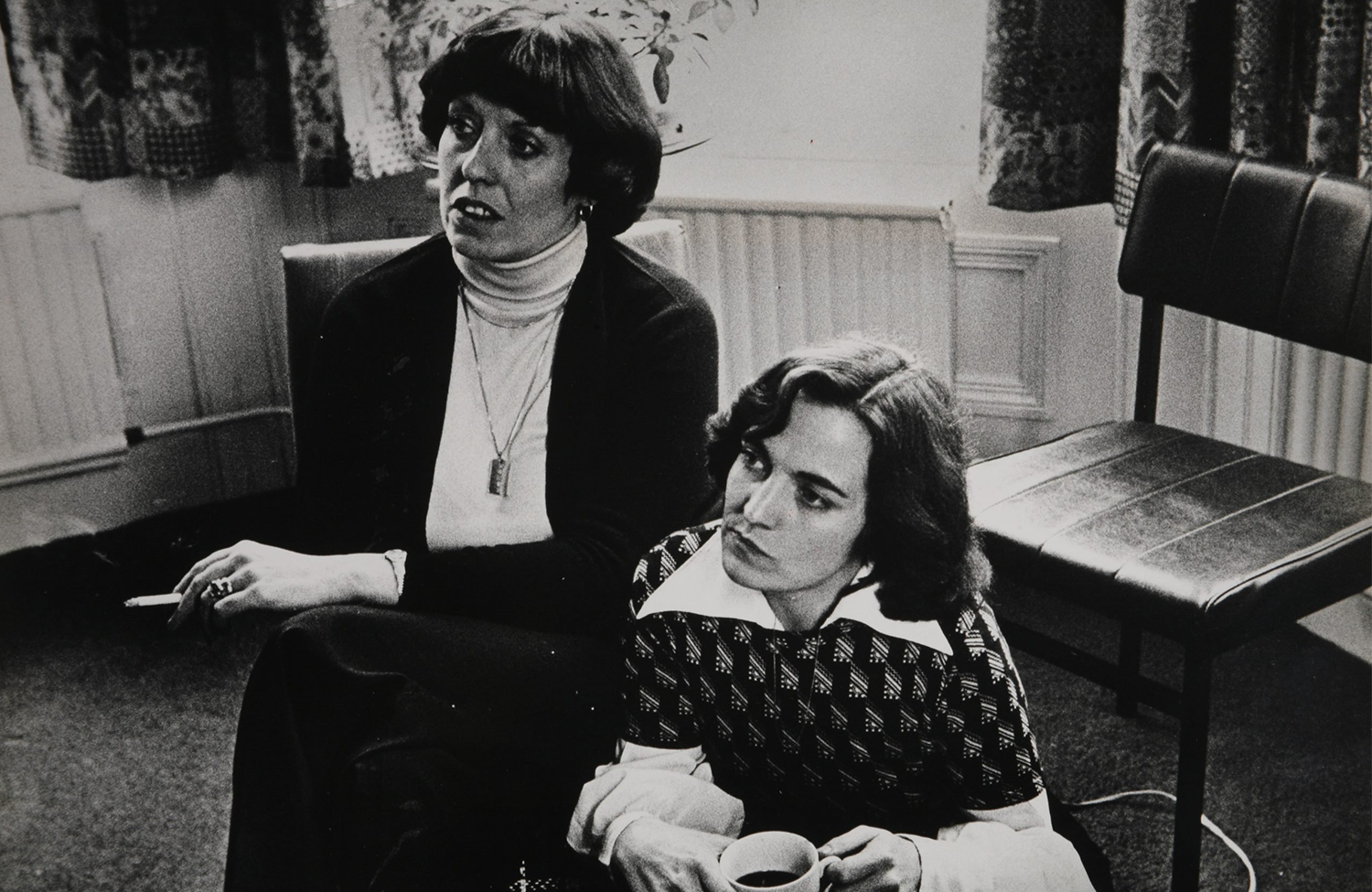
Betty Williams and Mairead Corrigan

Betty Williams and Mairead Corrigan, 31 October 1977. Photo: H. Christoph/ullstein bild via Getty Images

Building peace from below

Peace prize 1976

The Nobel Peace Prize 1976 was awarded jointly to Betty Williams and Mairead Corrigan “for the courageous efforts in founding a movement to put an end to the violent conflict in Northern Ireland.”


In 1976, three innocent children were killed in a shooting incident in Belfast. Williams, who witnessed the tragedy, decided to launch an appeal against the use of violence in the conflict between Protestants and Catholics in Northern Ireland. She was joined by the dead children's aunt, Mairead Corrigan, and together they founded a peace organisation. In her Nobel Prize lecture, Williams said: “I feel humble that I should be receiving this award, but I am very proud to be here in the name of all the Peace People to accept it.” Watch and read the lecture

Founder of monetarism

Economic sciences prize 1976

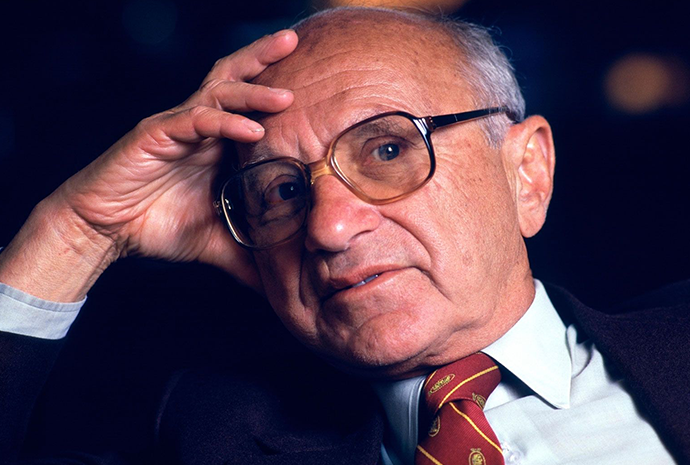
The Sveriges Riksbank Prize in Economic Sciences in Memory of Alfred Nobel 1976 was awarded to Milton Friedman “for his achievements in the fields of consumption analysis, monetary history and theory and for his demonstration of the complexity of stabilization policy.” An influential economist of the second half of the 20th century, New York-born Milton Friedman became one of the leaders of the Chicago school of economics.

Milton Friedman

Milton Friedman, 1989. Credit: Chuck Nacke/Alamy

Regarded as the founder of monetarism, Friedman promoted the theory that changes in the money supply affect real economic activity in the short run and the price level in the long run.


An articulate spokesman for free markets, his book Capitalism and Freedom (1962) brought him international attention outside academia. Read his biography

Monthly quiz

The dinner of the year 

In 1976, the dessert served at the Nobel Prize banquet dinner followed a tradition that lasted until 2001. What was the dessert? Make a guess and click to submit your answer. 

This email was sent to you as a subscriber of Nobel Prize monthly

We maintain a strict privacy policy for the newsletter. When you sign up, you can be assured that your email address will not be sold or given to any third party.