A first glance at the 2026 Nobel Prize laureates
Text

Nobel Prize monthly, October 2026 

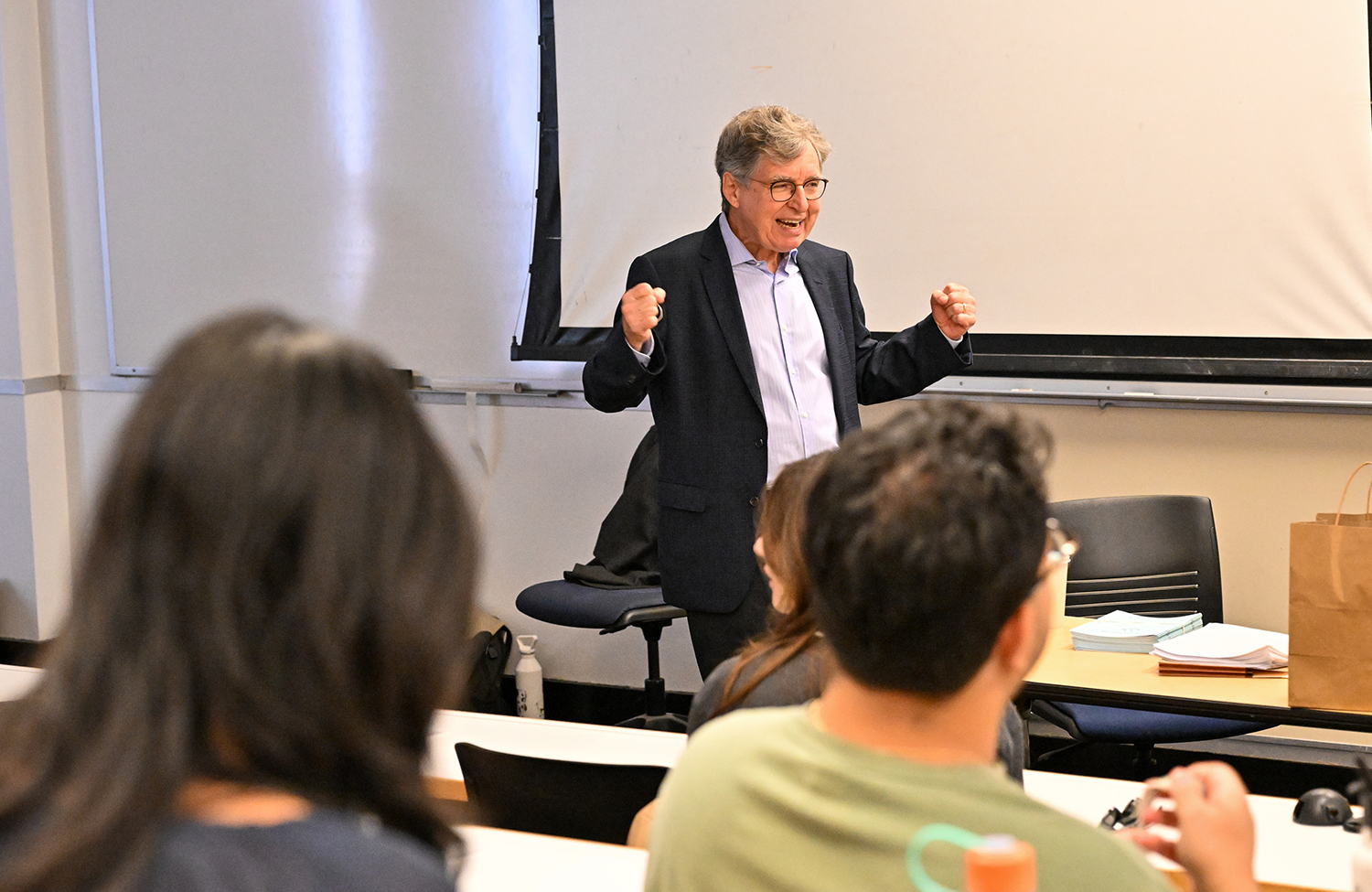
Man in classroom

Michael Woodford being welcomed and addressing students in class the day he received the news about his economic sciences prize. Photo: Diane Bondareff/Columbia University.

Introducing the 2026 Nobel Prize laureates

In his will, Alfred Nobel left much of his wealth to establish the Nobel Prizes, awarded to those who had “conferred the greatest benefit to humankind.” 


Recently, 10 new Nobel Prize laureates in six categories were announced to the world. The laureates’ work and discoveries range from optogenetics to efforts to promote peace and international law. 


You can see all 2026 Nobel Prizes presented on nobelprize.org – and read a summary of each below. 

2026 physics prize

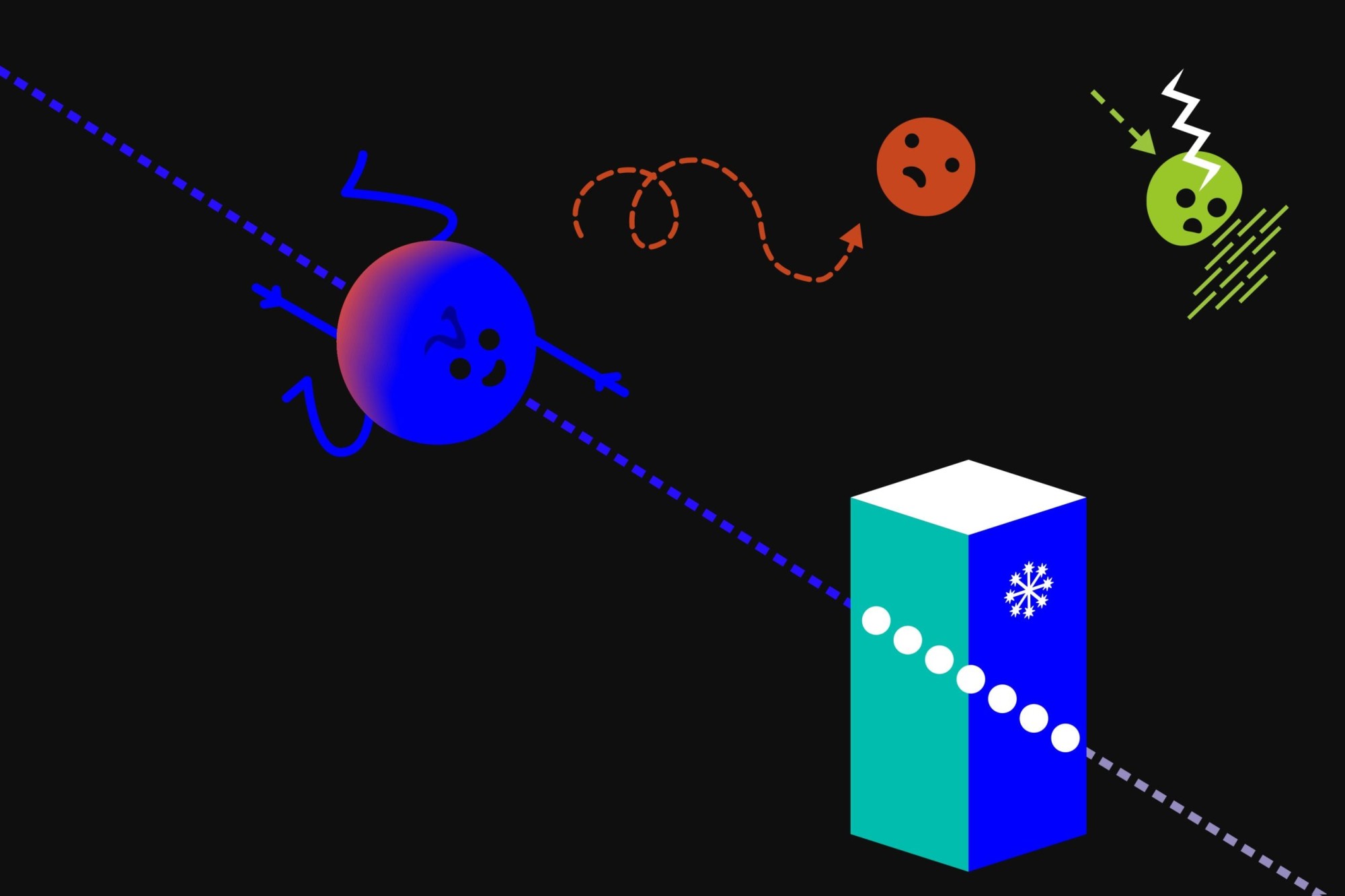
An illustration of a high-energy neutrino passing through ice

© Johan Jarnestad/The Royal Swedish Academy of Sciences

Neutrinos are everywhere, but they do not make themselves known. They pass all the way through the Earth and through our bodies without us noticing. 


This year’s physics laureate Francis Halzen realised that ice at the South Pole could be used to track these secretive particles. His vision, first presented in the late 1980s, led to the IceCube Neutrino Observatory, that covers an entire cubic kilometre and was finished in 2011. Researchers soon discovered the first high-energy neutrinos and, a few years later, could publish their discovery of neutrinos that must originate far outside our solar system. 


“By detecting these neutrinos, we can learn something about cosmic sources which otherwise would not be accessible to us,” said Mark Pearce, chair of the Nobel Committee for Physics. Listen to him explain 
2026 chemistry prize

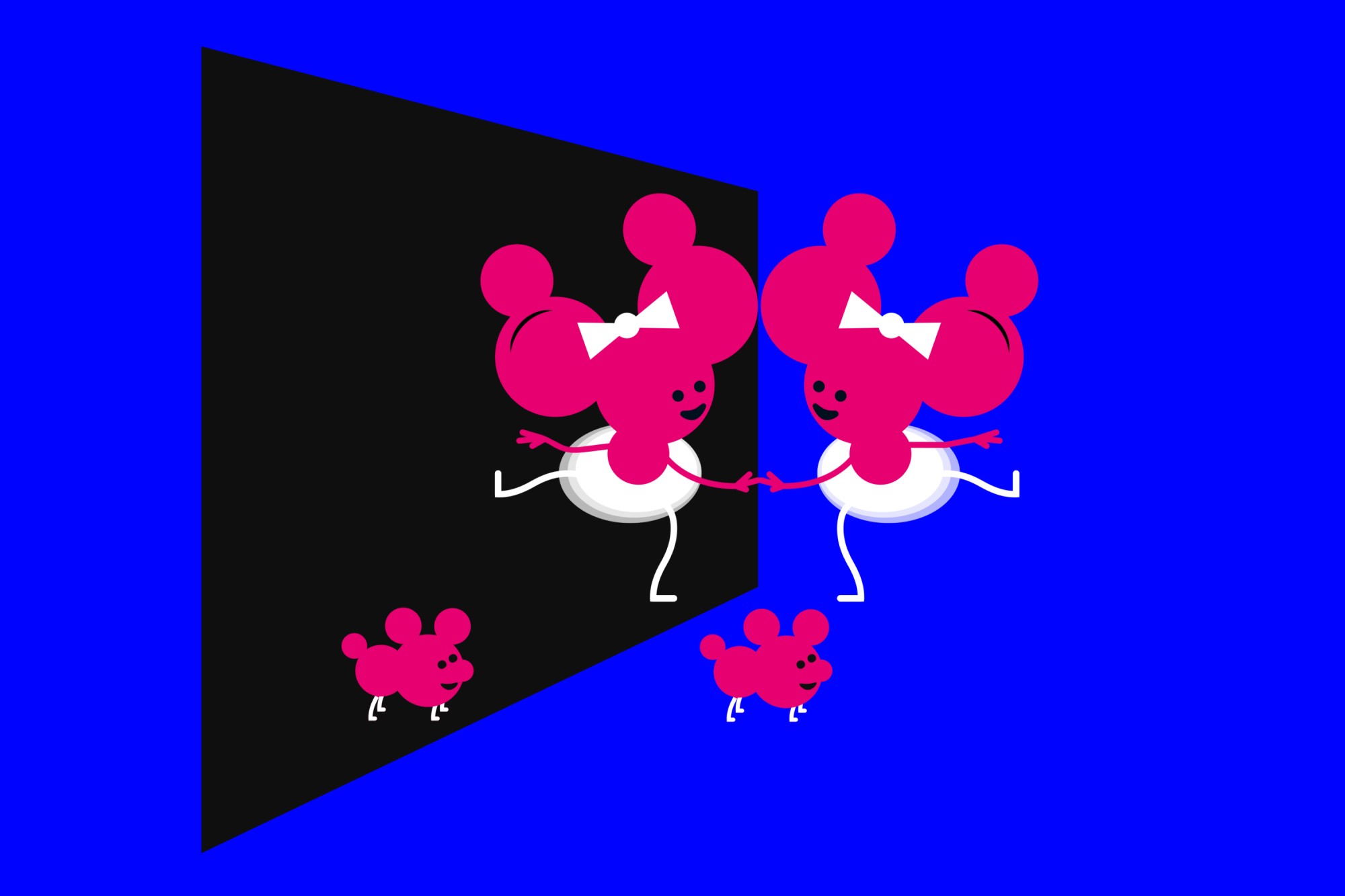
An illustration of mirror image molecures holding hands

© Johan Jarnestad/The Royal Swedish Academy of Sciences

Life’s chemistry is what chemists call homochiral, after the Greek words for “same” and “hand”. Like hands, all amino acids exist as two mirrored variants, but only one of them is found in the proteins in your cells. The other is rarely found in nature. 


For a long time, chemists wondered how homochirality can emerge. When they began to experiment with chemical reactions that can form two mirrored molecules, they always obtained equal proportions of both in their test tubes. However, chemists strived to produce only one of these mirror images, because in the development of molecules that will interact with living beings – such as in pharmaceuticals – only one mirror image will have the desired effect. 


This year’s chemistry laureates Henri B. Kagan and Kenso Soai discovered a solution to this puzzle. Their discoveries have been decisive for chemists who design reactions for the manufacture of pharmaceuticals. Learn more

2026 medicine prize

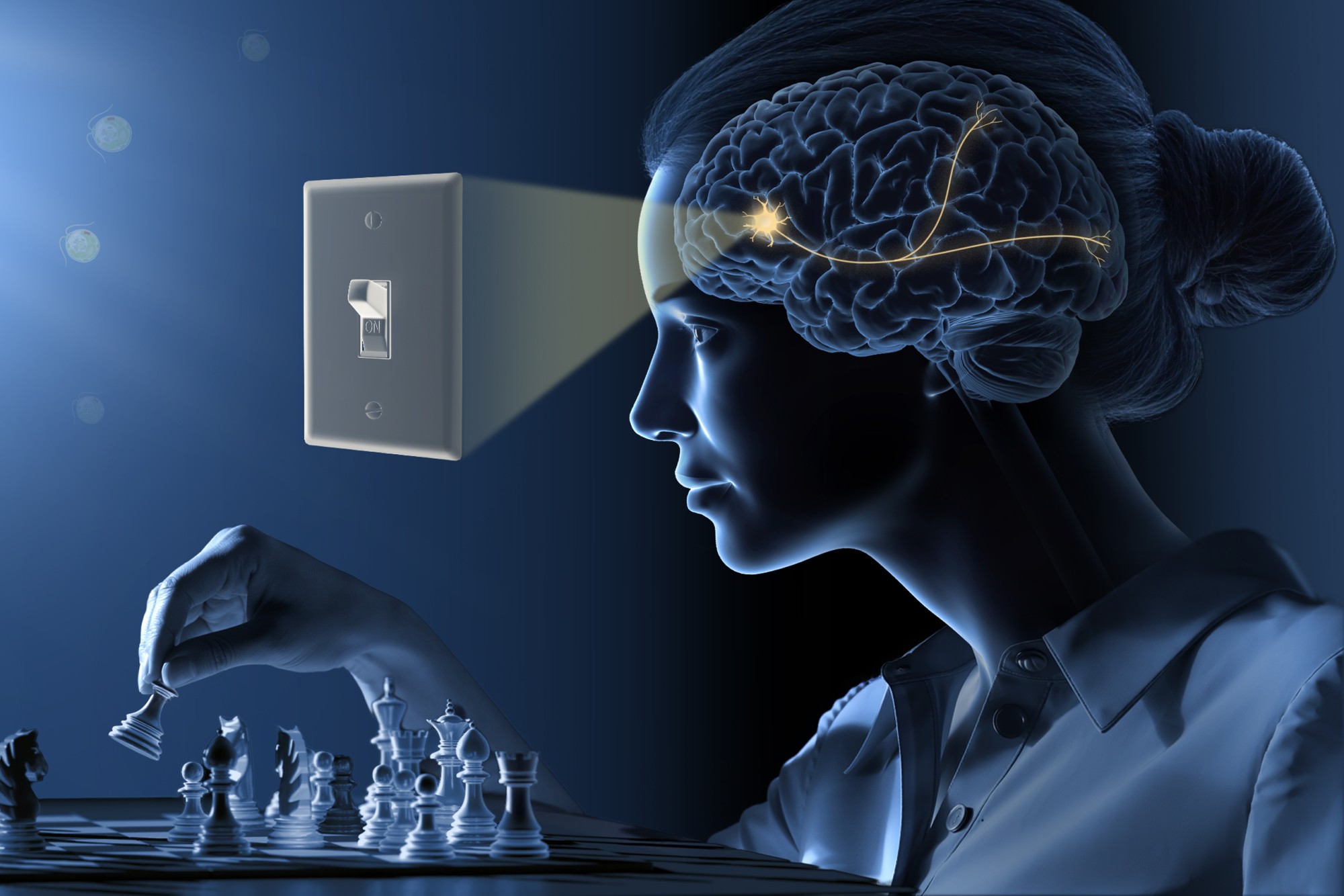
An illustration of a woman playing chess, with a light switch connected to neurons in her brain.

© The Nobel Committee for Physiology or Medicine. Illustration: Mattias Karlén

How the brain governs feelings, behaviours and bodily functions has long been a mystery. This year’s medicine laureates, Karl Deisseroth, Peter Hegemann and Georg Nagel, pioneered the field of optogenetics, which makes it possible to switch on, or off, the activity of individual nerve cells in a living brain. 


Using optogenetics, researchers have been able to reveal neural circuits governing specific memories, feelings and behaviours relevant for neurological and psychiatric disorders. In clinical medicine, researchers are using the method in attempts to restore sight in people with visual impairment. 


Listen to Hegemann describe his feelings shortly after receiving the news about the prize

2026 literature prize

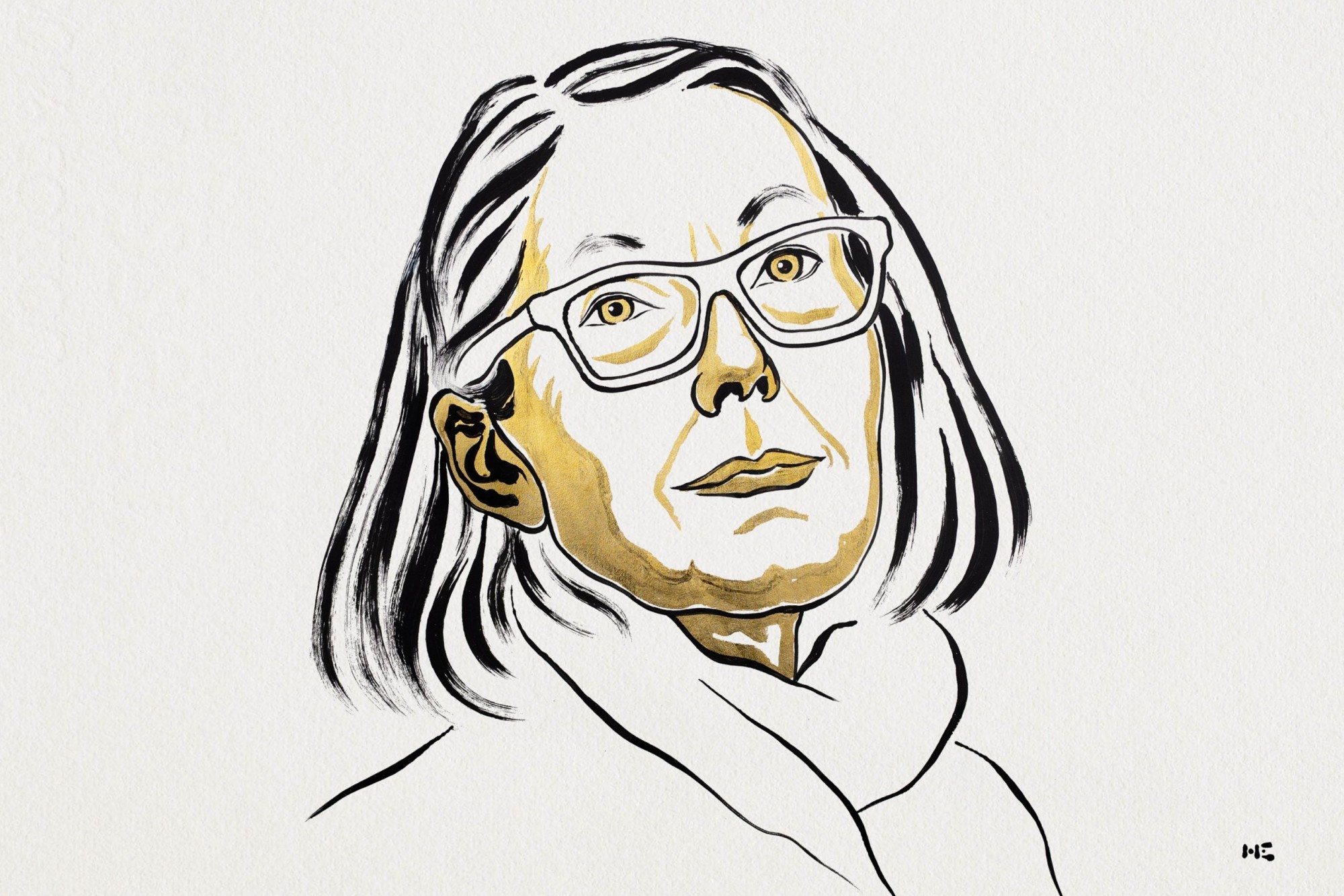
Illustration of Anne Carson

Ill. Niklas Elmehed © Nobel Prize Outreach

This year’s literature laureate Anne Carson was born in Toronto, Canada. Throughout her career, she has combined poetry writing with translation work and teaching at universities.


Carson’s Autobiography of Red: A Novel in Verse from 1998 is an example of her ability to actualise the classical literary tradition. “She uses the myths, the characters and the stories from that time and puts them into a modern context,” said Steve Sem-Sandberg, member of the Nobel Committee at the Swedish Academy. 


Curious to know more about Anne Carson but unsure which of her books to pick up first? Read the recommendations from the Swedish Academy

2026 peace prize

An illustration of a gavel in front of books

Ill. Niklas Elmehed © Nobel Prize Outreach

The Nobel Peace Prize for 2026 was awarded to Navanethem “Navi” Pillay for her efforts to promote peace and international law. 


Born into a family of Indian Tamil origin under apartheid in Durban, South Africa, Pillay became a lawyer and legal pioneer, confronting deep structural discrimination, segregation and exclusion. A common thread runs from her early work defending Nelson Mandela and others who stood up against apartheid to her service as a judge in some of the key international court cases of our time. Pillay has held states and national leaders accountable and brought hope to victims of violence and conflict. 


In a call with the Norwegian Nobel Committee, Pillay said the prize is a recognition for all jurists who work with international law

2026 economic sciences prize

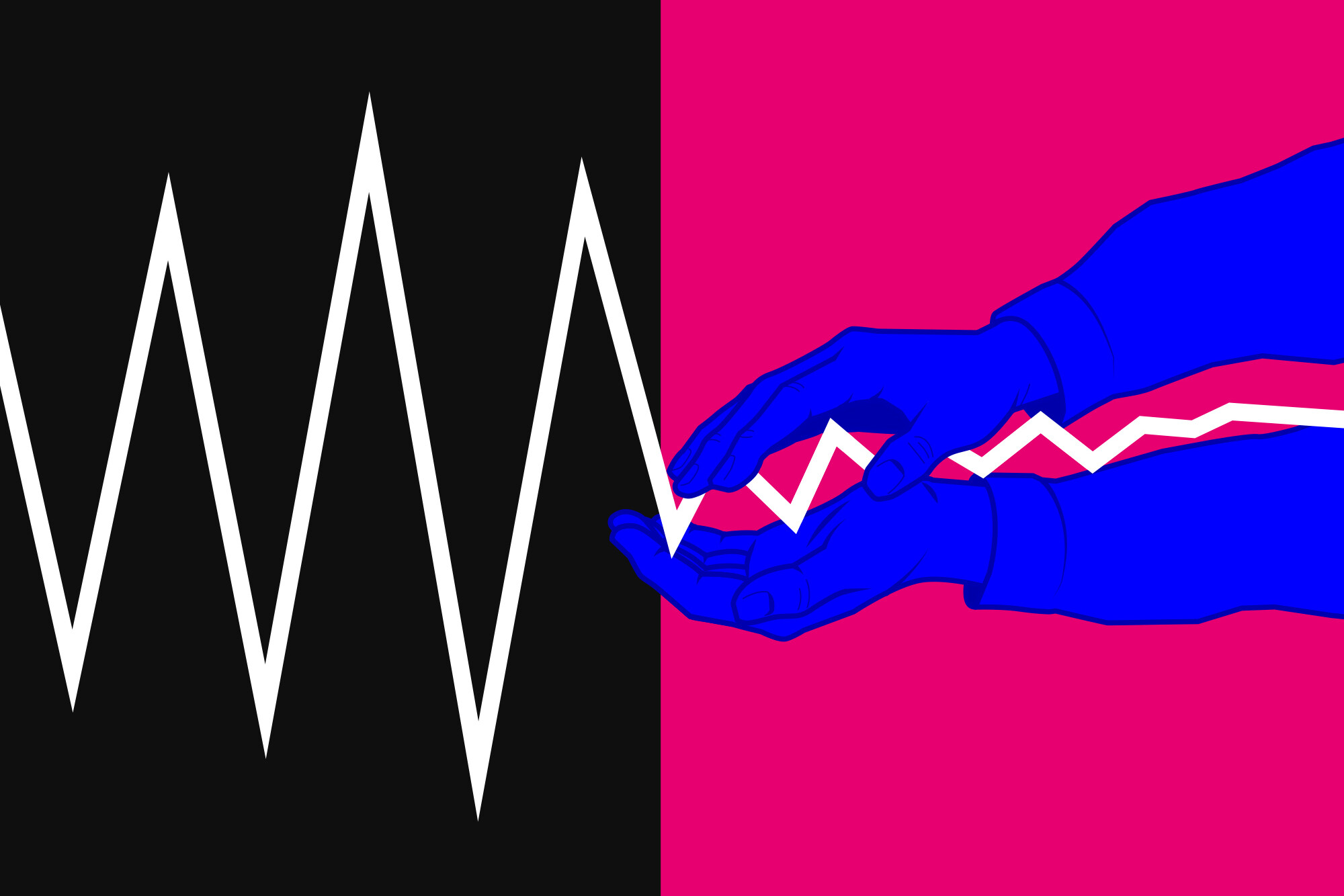
Art

© Johan Jarnestad/The Royal Swedish Academy of Sciences

Economic development is characterised by alternating downturns and upturns. Stimulating or slowing down the economy at the right time can provide stability and allow us to avoid drawn-out recessions or runaway inflation. 


Through their research, this year’s laureates Robert E. Hall and Michael Woodford have generated a paradigm shift in stabilisation policy. New Keynesian models, a result of their research, allow us to explain and quantify how stabilisation policy affects business cycles and are now used by central banks and finance ministries around the world.  


“With them, we are better equipped to deal with shocks in the economy, such as energy crises or sudden changes in how much households consume,” says John Hassler, chair of the economic sciences committee. 


Learn more about their work and how it affects our daily lives

Monthly quiz

A Nobel Prize anniversary

This year marks a jubilee for the Nobel Foundation. Do you know how many years ago the first Nobel Prizes were awarded? Make a guess and click to submit your answer.

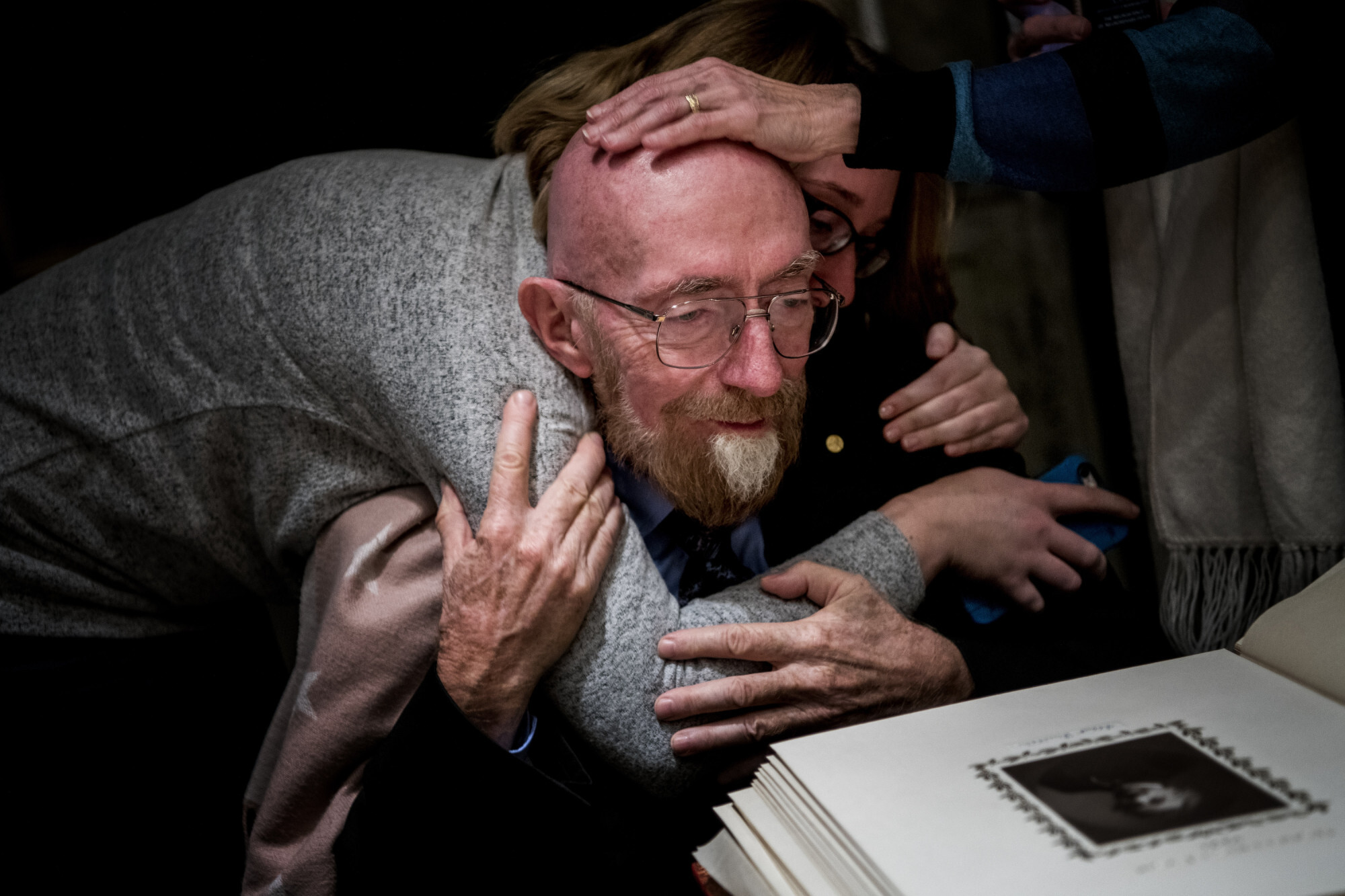
Body Part

Photo: Alexander Mahmoud

This email was sent to you as a subscriber of Nobel Prize monthly

We maintain a strict privacy policy for the newsletter. When you sign up, you can be assured that your email address will not be sold or given to any third party.