Nobel minds in discussion
Logo

Nobel Prize monthly, January 2026 

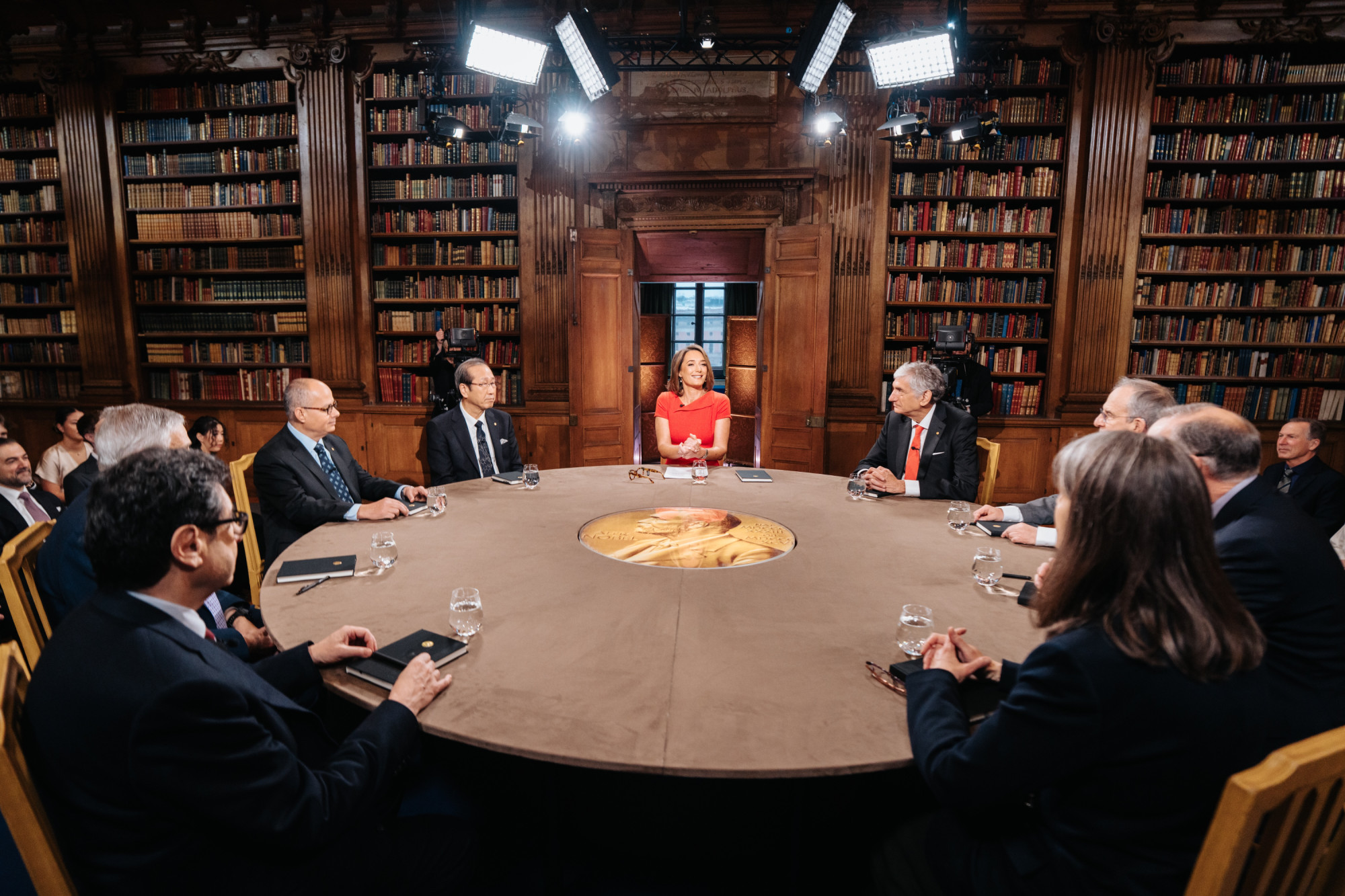
People gathered at round-table discussion

Recording of Nobel Minds at the Royal Palace in Stockholm, Sweden. © Nobel Prize Outreach. Photo: Clément Morin

A tradition since the 1960s

Every year, new Nobel Prize laureates from across the prize categories sit down together to take part in a round-table discussion for television, Nobel Minds. In the latest edition of the programme, hosted by the BBC’s Lucy Hockings, some of the 2025 laureates tell us about their discoveries and achievements, and how these might find a practical application.


Chemistry laureate Omar Yaghi talked about his invention of MOFs (metal–organic frameworks) and their potential use in helping to solve the climate challenge. Yaghi also praised the use of AI in helping to advance science:


“AI could help us speed up discovery, help us in scaling up these materials, achieve better answers and asking new questions.”


Watch the full version of Nobel Minds here
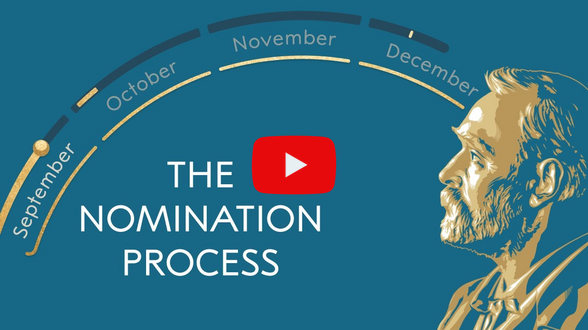
Video of the nomination process

Find out more about how the laureates are selected.

How are the Nobel Prize laureates selected?

January is the last month of the year to submit candidates for the 2026 Nobel Prizes. Thousands of members of academies, university professors, scientists, previous laureates and members of parliamentary assemblies and others are able to nominate. The nominators are chosen in such a way that as many countries and universities as possible are represented over time.


After receiving all nominations, the Nobel Committees of the four prize-awarding institutions are responsible for the selection of the candidates. Once a Nobel Prize is announced, it cannot be revoked, shared, or transferred to others.


Read more about the nomination process

The unseen enemy: navigating antimicrobial resistance

As bacteria become resistant to existing antibiotics, we are running out of drugs to treat infectious diseases.


This is a problem that Alexander Fleming, who discovered penicillin, foresaw already in 1945 – the same year he received the Nobel Prize in Physiology or Medicine.

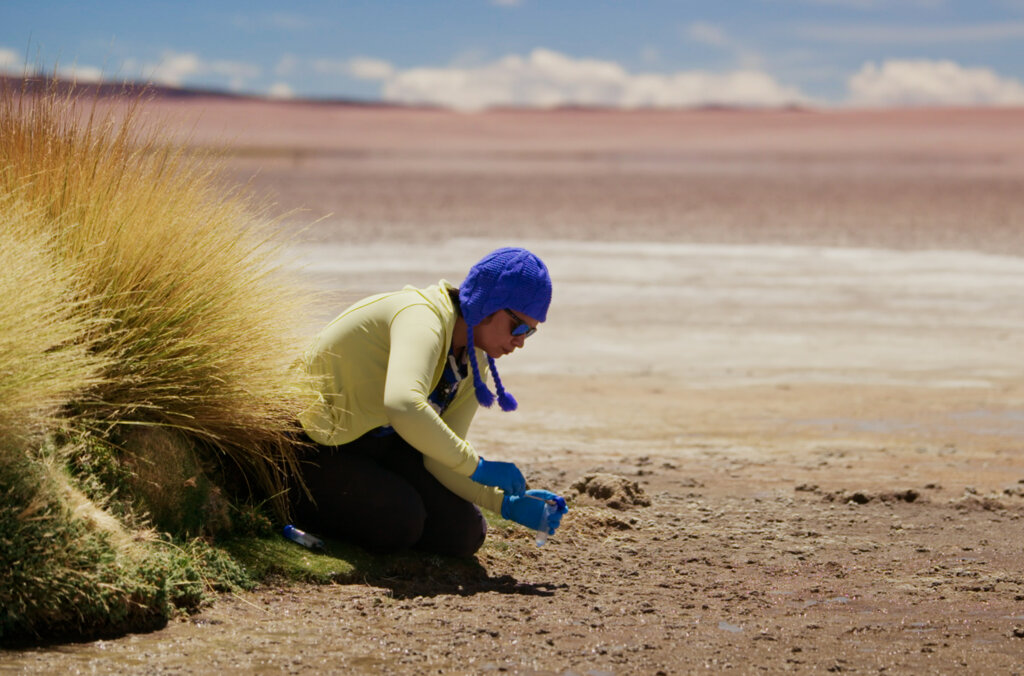
Woman in desert

Professor Cristina Dorador collects soil samples in the Atacama Desert. © Nobel Prize Outreach

One of many hunters of new antibiotics is Chilean professor Cristina Dorador, who scrapes up soil samples in the Atacama desert.


Watch her work in the documentary Life Invisible and read more about the drug, penicillin, that revolutionised medicine

László Krasznahorkai

László Krasznahorkai. © Nobel Prize Outreach. Photo: Dan Lepp

Get a taster of Krasznahorkai's writing

The 2025 literature laureate László Krasznahorkai is a great epic writer in the Central European tradition that extends through Kafka to Thomas Bernhard, and is characterised by absurdism and grotesque excess.


His novel Herscht 07769 is 400 pages, but is written in a single sentence. Anna-Karin Palm of the Swedish Academy describes it as follows: “In a small town in eastern Germany, strange things begin to happen. Florian Herscht, a giant young man with a good heart and weak intellect, is swept up in the events and transformed. Krasznahorkai places his novel in contemporary underground movements, and depicts how fear and suspicion threaten the quiet everyday life of the small town.”


Read an excerpt from Herscht 07769

A beacon of light for the fight for human rights

Ales Bialiatski

Ales Bialiatski. Photo: Helene Mariussen

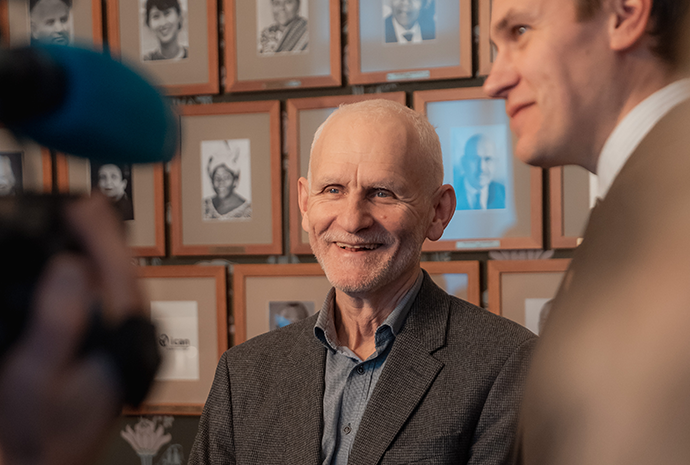
Recently, Ales Bialiatski, Nobel Peace Prize laureate 2022, was released from prison in Belarus, making it possible for him to meet the Norwegian Nobel Committee for the first time.


Bialiatski had been serving a ten-year sentence imposed in retaliation for his peaceful work in defence of human rights and democracy. 


Read about Bialiatski’s work and the 2022 Nobel Peace Prize here

Monthly quiz

The secrecy rule

Access to information about a given year's candidates and/or nominators is not given until quite a few years have passed. Do you know how many years? Make a guess and click to submit your answer.

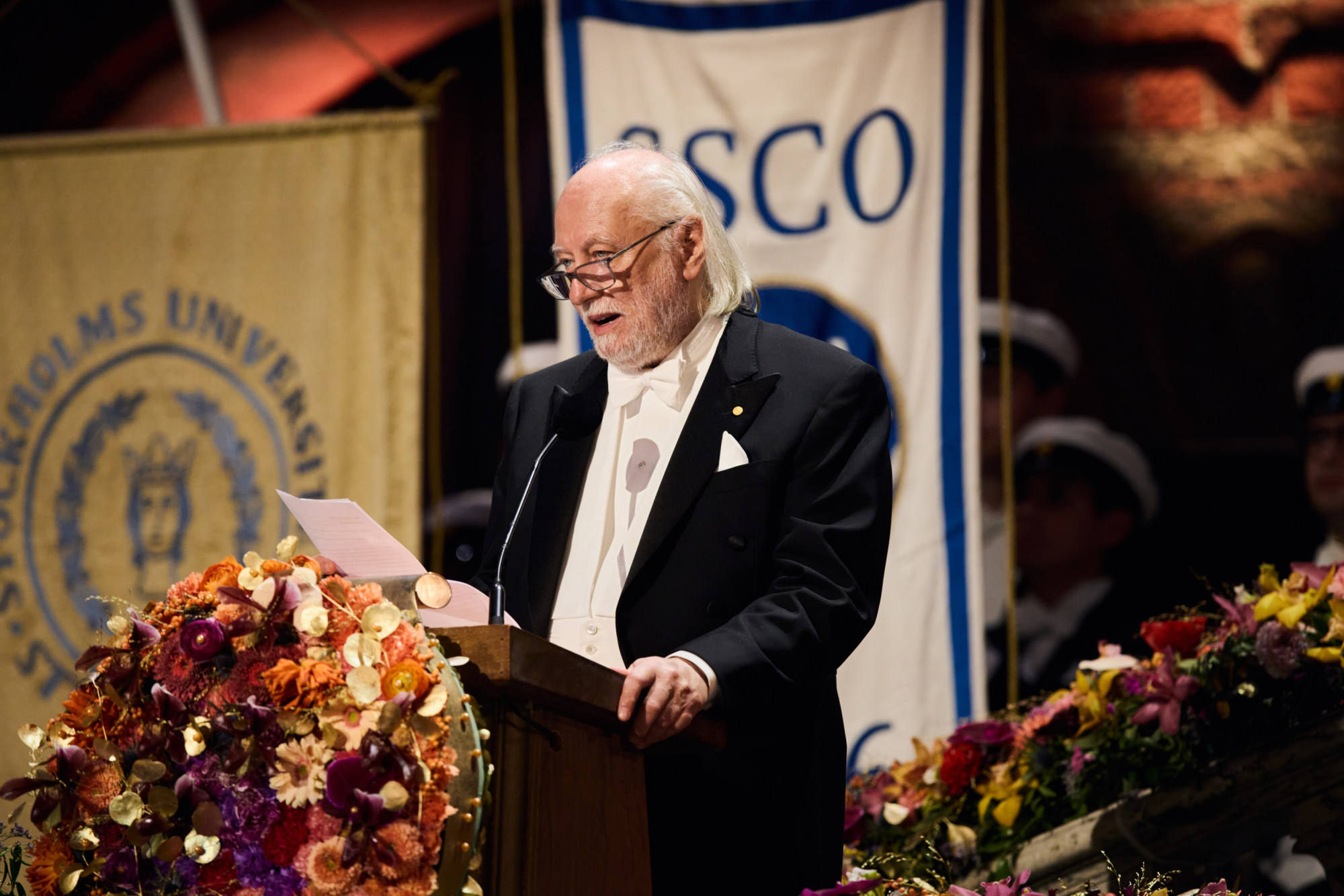
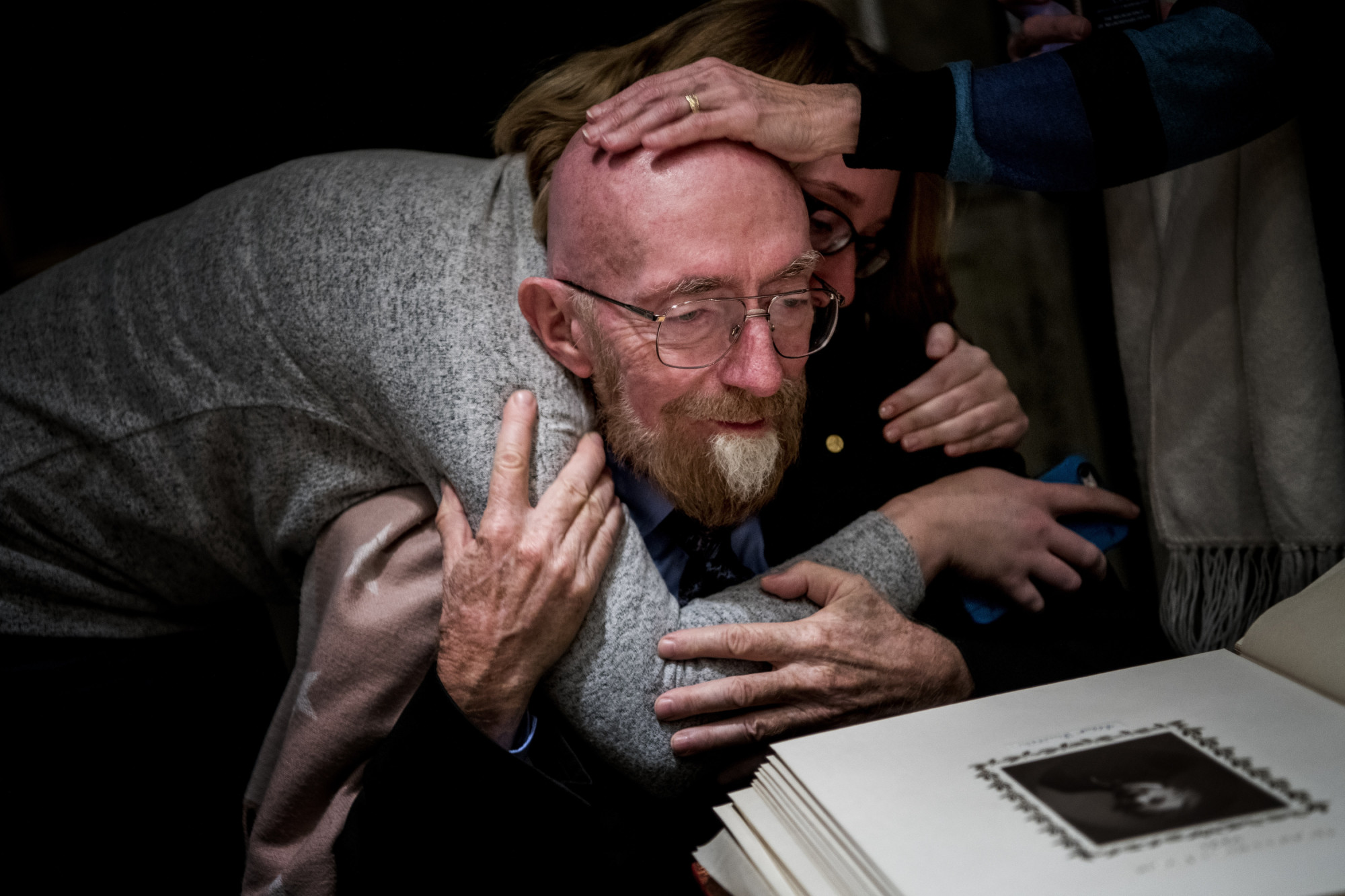
Kip Thorne

Photo: Alexander Mahmoud

This email was sent to you as a subscriber of Nobel Prize monthly

We maintain a strict privacy policy for the newsletter. When you sign up, you can be assured that your email address will not be sold or given to any third party.