Crystal clear
Logo

Nobel Prize monthly, July 2026 

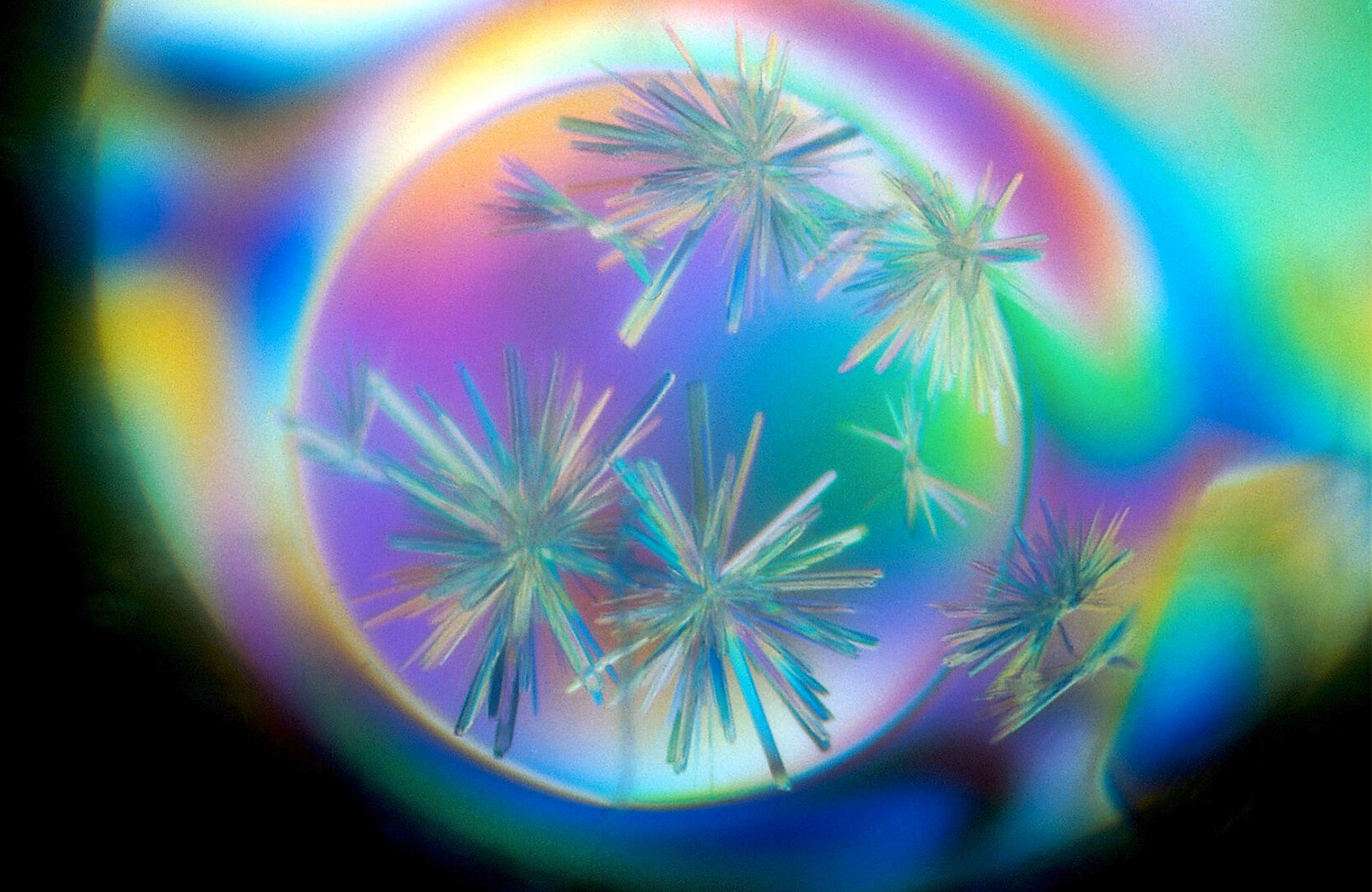
Crystals

Crystals of a DNA repair protein. Bernard O'Hara & Renos Savva. Source: Wellcome Collection. Licence: Attribution 4.0 International (CC BY 4.0)

How X-rays and crystals revealed the true nature of things

From snowflakes to sea salt, crystals are everywhere in nature and are admired for their symmetry. However, despite their familiarity, the science behind them – crystallography – remains unknown for many people.


Originating over a century ago, modern crystallography has underpinned many scientific breakthroughs and continues to render Nobel Prizes even today. Read more

Unmasked the true identity of X-rays 

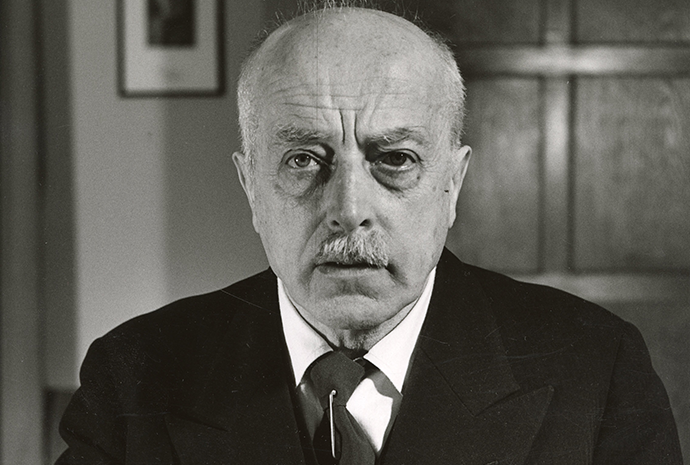
In a single, elegant experiment, building on Röntgen's 1895 discovery of X-rays, Max von Laue showed that X-rays are diffracted in crystals. 


The 1914 physics laureate laid the foundation of a field which today underpins many technological developments in our modern society, such as drug development, nano- and biotechnology.

Man

Max von Laue. Photo: Fritz Eschen, Bundesplatz 1, Berlin - Wilmersdorf. Nobel Foundation Archive.

A father-and-son team 

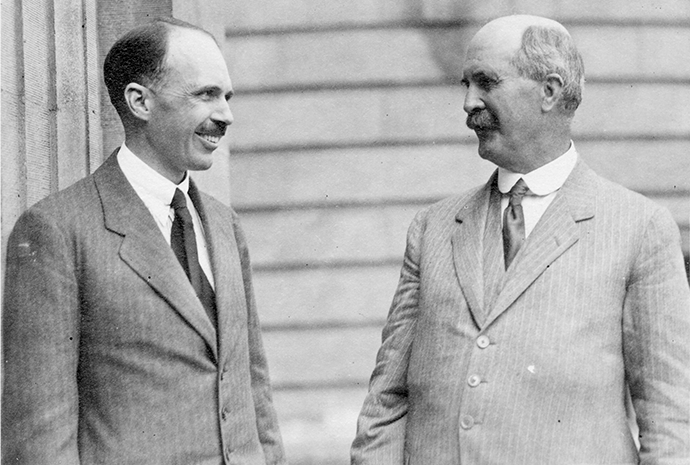
In 1915, one year after Max von Laue had been awarded the Nobel Prize, crystals were yet again recognised by the Nobel Committee for Physics. Inspired by von Laue, William and Lawrence Bragg – father and son – conducted their own studies.


Their findings made it possible to determine molecular structures from the crystal form of a compound.

Two men

Lawrence and William Bragg. Credit: Smithsonian Institution Archives.

Helped solve a biological riddle 

The inspiration that X-rays could reveal the structures of chemical compounds inevitably gave way to the perspiration required to solve more and more complicated structures. In 1962, Max Perutz and John Kendrew were awarded the Nobel Prize in Chemistry for their achievement of successfully using X-rays to determine the structures of complex proteins like haemoglobin.


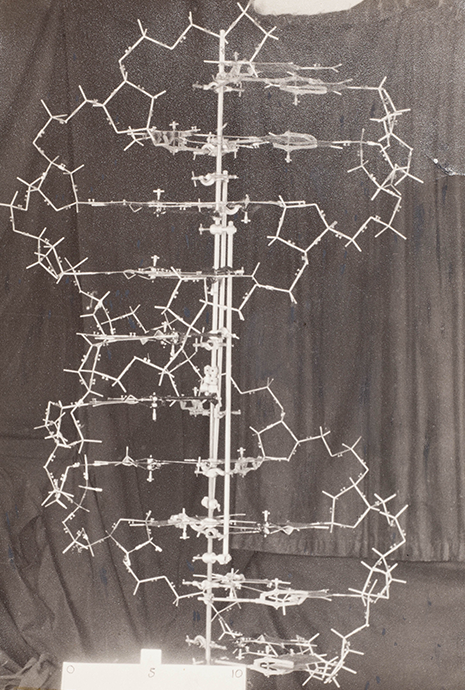
The same year, the medicine prize was awarded to James Watson, Francis Crick and Maurice Wilkins for their discovery of the molecular structure of DNA. Wilkins and his colleague Rosalind Franklin, who passed away in 1958, provided the key X-ray diffraction patterns needed to unlock the ‘mystery.’
Original model of the structure of DNA

Original model of the structure of DNA, 1953. Source: Cold Spring Harbor Laboratory Archives. Photographer unknown. Kindly provided by Cold Spring Harbor Laboratory Archives.

Woman in lab

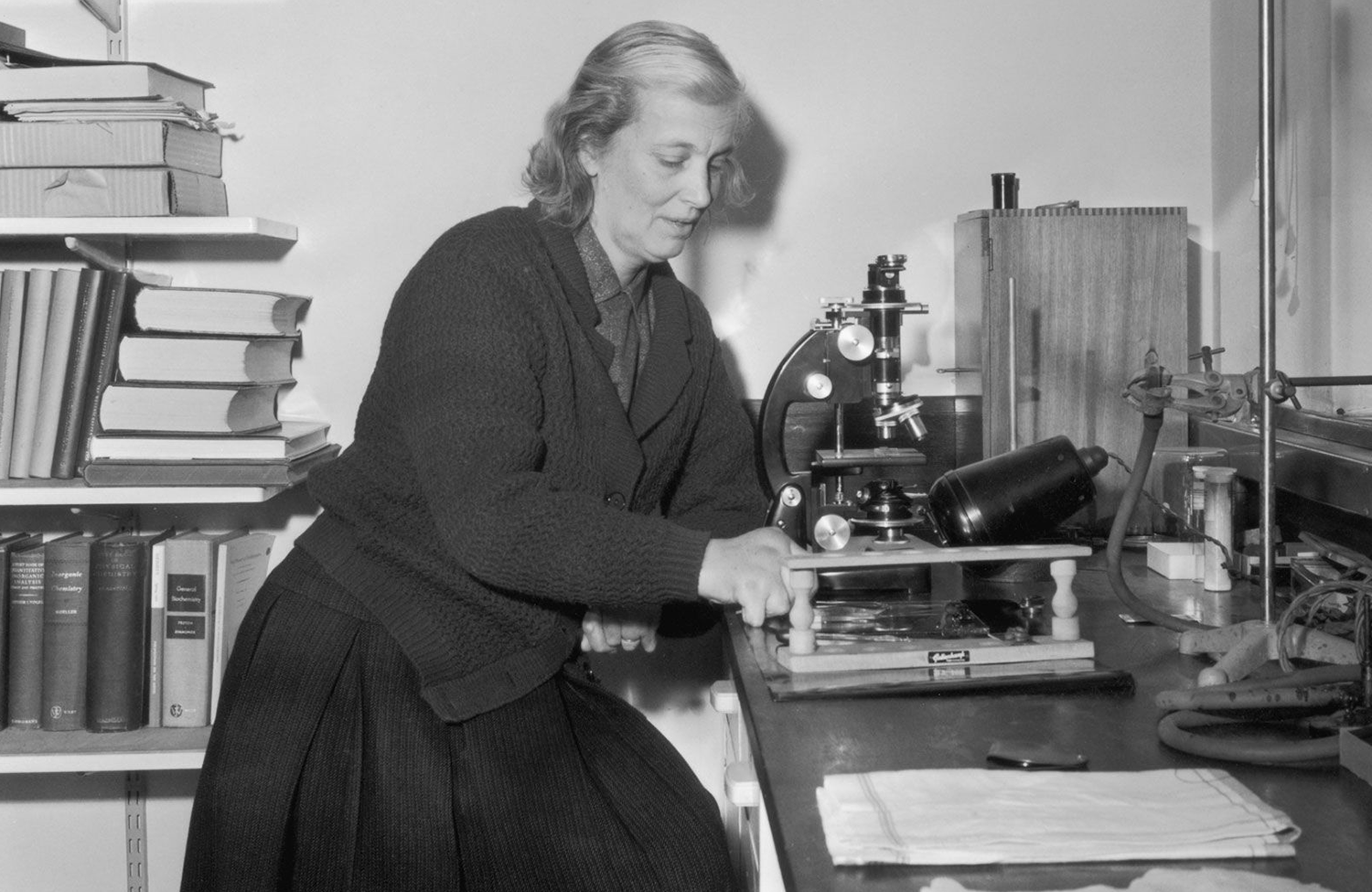
Dorothy Crowfoot Hodgkin in her laboratory, 1964. Credit: Harold Clements—Daily Express/Hulton Archive/Getty Images

She could ‘see’ the molecules of insulin 

Using early X-ray crystallographic methods, Dorothy Crowfoot Hodgkin spent 34 years working out the structure of insulin, a hormone that helps control blood sugar levels but that Type 1 diabetics are unable to produce. Her achievement made it much easier to mass-produce insulin for the treatment of diabetes.


By the time Crowfoot Hodgkin had finished, in 1969, she had already been awarded the 1964 Nobel Prize in Chemistry for her X-ray crystallographic studies. She had also determined the structures of penicillin – an important antibiotic – and vitamin B12. Read more about her life and work

Monthly quiz

A famous Nobel Prize 

As mentioned, Wilhelm Röntgen discovered X-rays in the late 1800s. He was awarded the Nobel Prize in Physics “in recognition of the extraordinary services he has rendered by the discovery of the remarkable rays subsequently named after him.” Do you know what year he was awarded the Nobel Prize? Make a guess and click to submit your answer. 

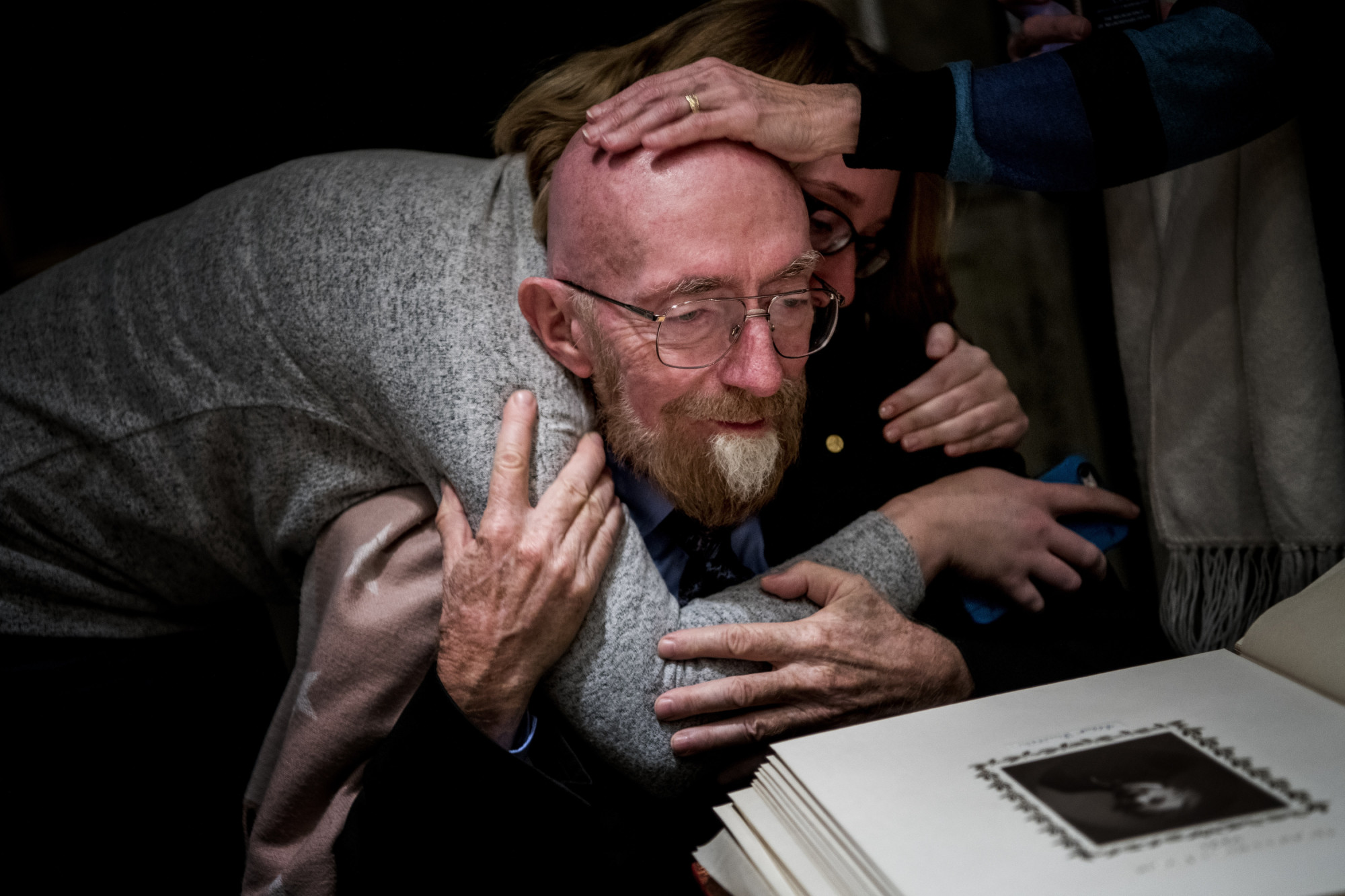
Man

Kip Thorne, Nobel Prize laureate in physics 2017, is overcome with emotion while looking at the image and signature of fellow laureate Albert Einstein. © Nobel Prize Outreach. Photo: Alexander Mahmoud

Interested in learning more?

This email was sent to you as a subscriber of Nobel Prize monthly

We maintain a strict privacy policy for the newsletter. When you sign up, you can be assured that your email address will not be sold or given to any third party.