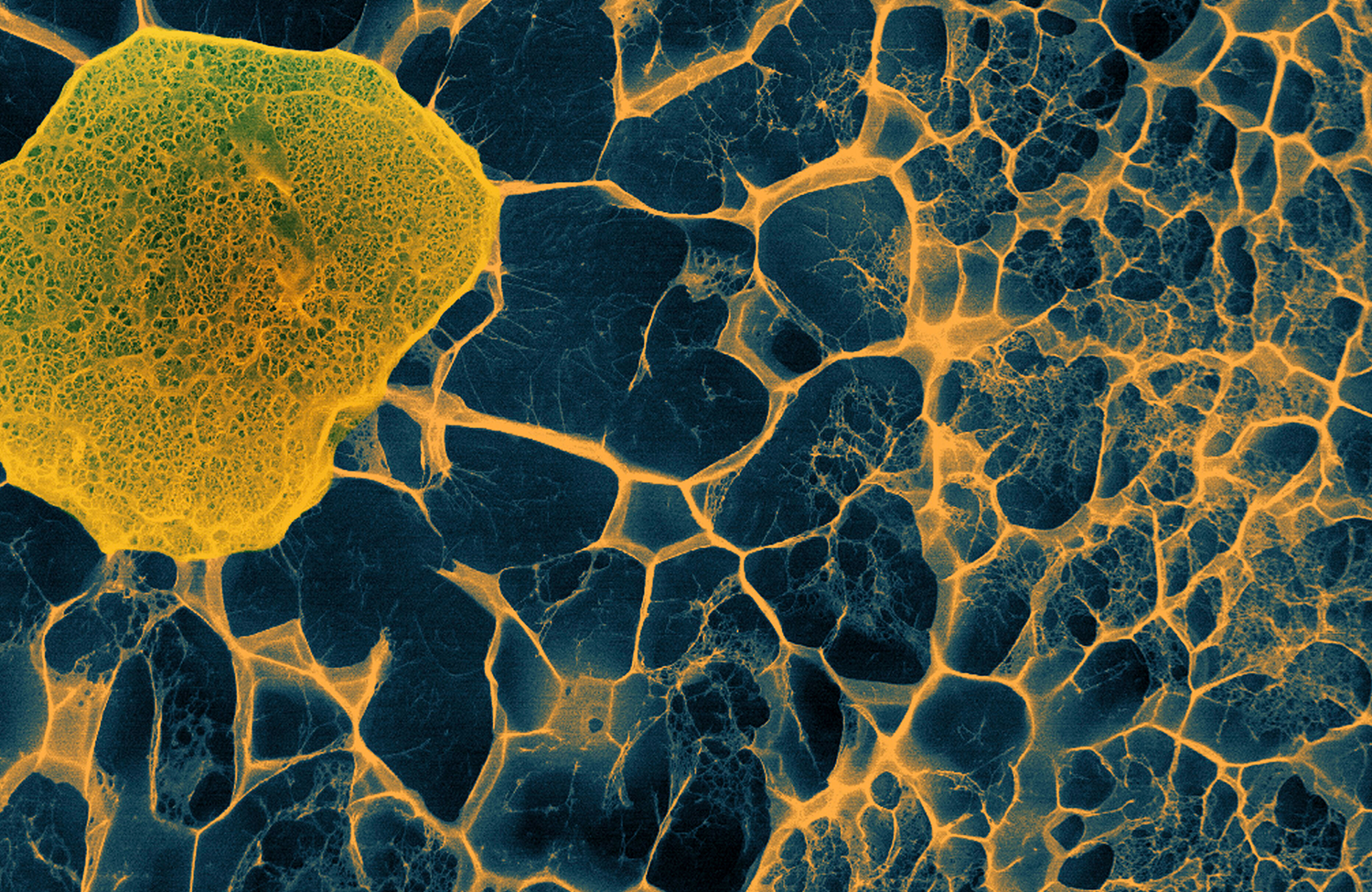
When light rays pass through transparent materials, such as biological specimens, there is a change in the phase of the light waves – the position of the wave crests in relation to one another – compared to an unimpeded light ray. Our eyes can’t detect this but these phase changes contain important information that can be used to visualise the material they have passed through.
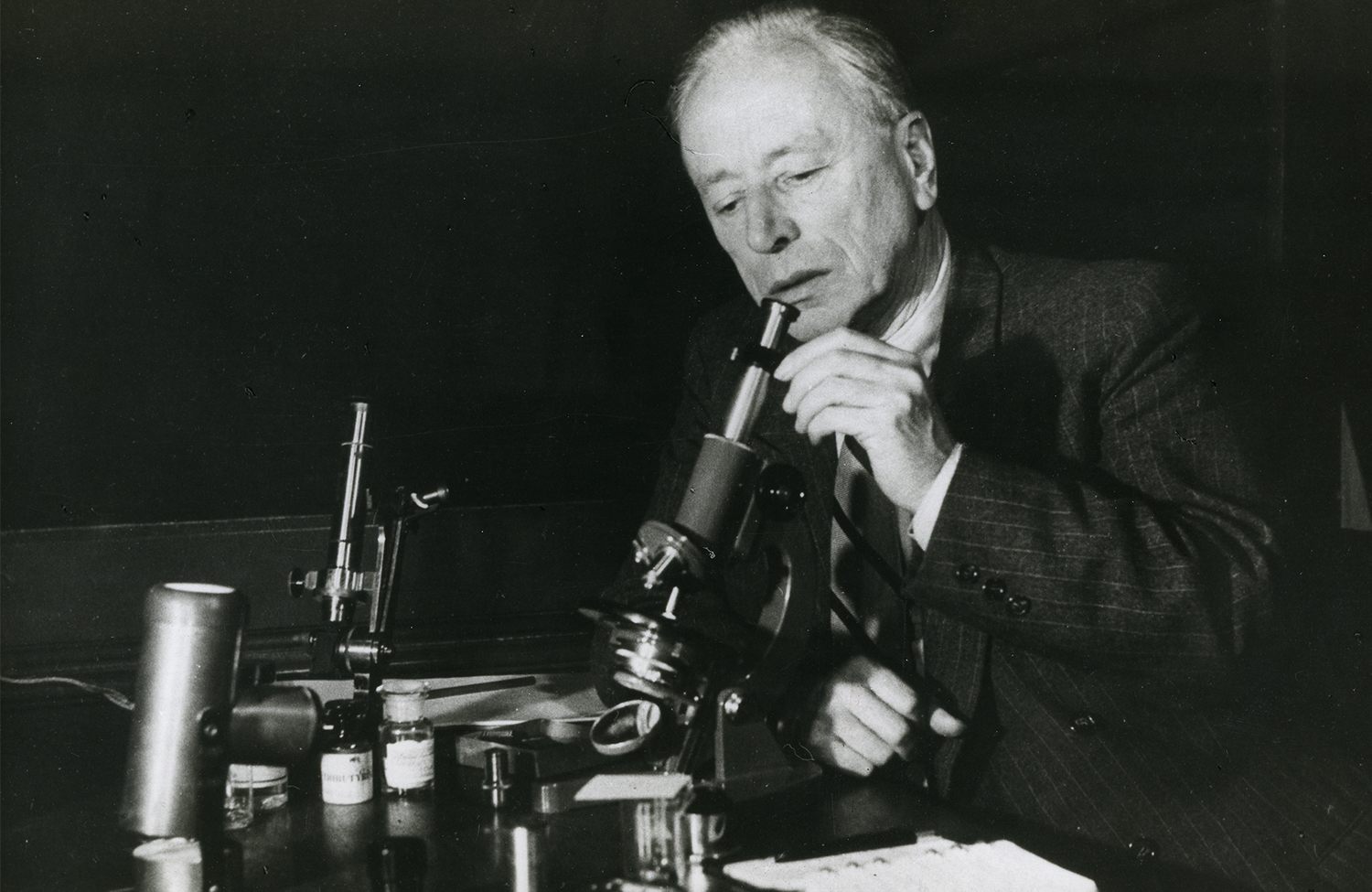
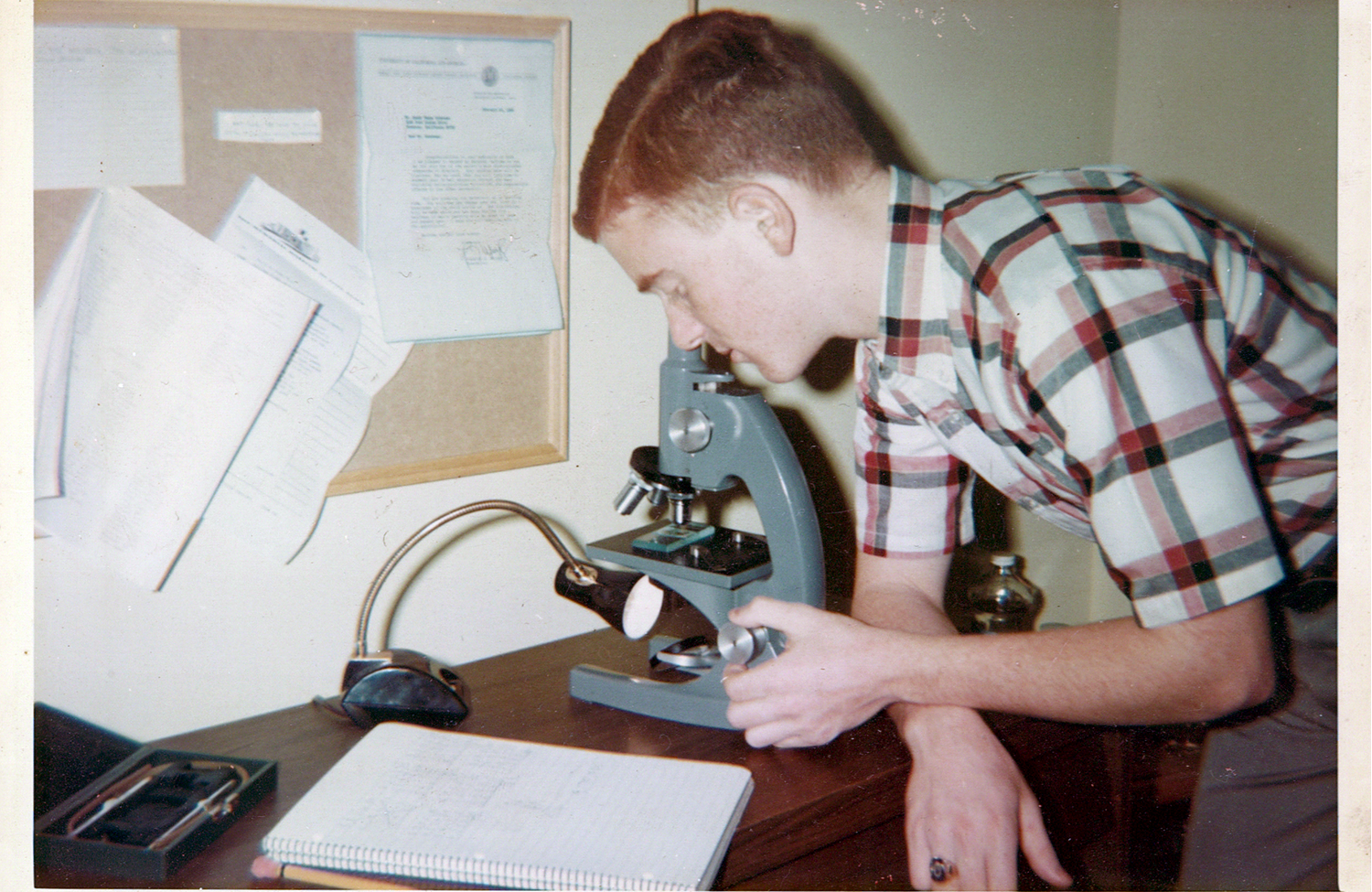
In the 1930s, Frits Zernike used this information to build a new scientific tool – the phase contrast microscope. His new microscope enhanced the contrast of unstained, transparent specimens to reveal their inner workings in richer detail. Phase contrast microscopes have enabled strides in biological and medical research to be made, and they allow oils, drugs and textiles to be scrutinised. Read more