Nobel Prize laureates on life as a scientist
Logo

Nobel Prize monthly, May 2026 

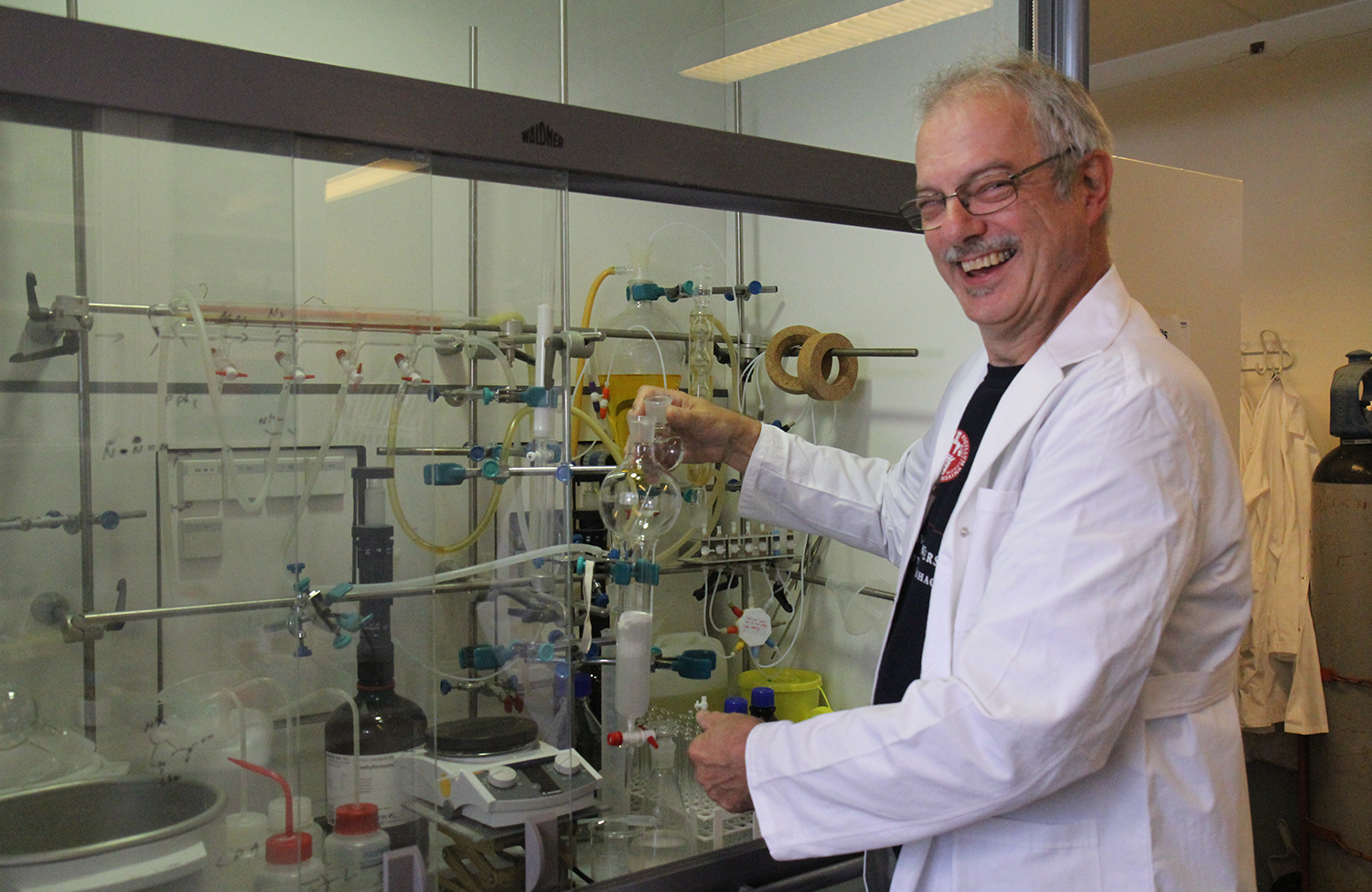
Man in lab

2022 chemistry laureate Morten Meldal in the lab at Copenhagen University. Photo: Jens Christian Navarro Poulsen, Dep. of Chemistry, University of Copenhagen.

The passion for science – in their own words 

What does it mean to be a good scientist – and what does it take? Here, Nobel Prize laureates share their thoughts.  

Person

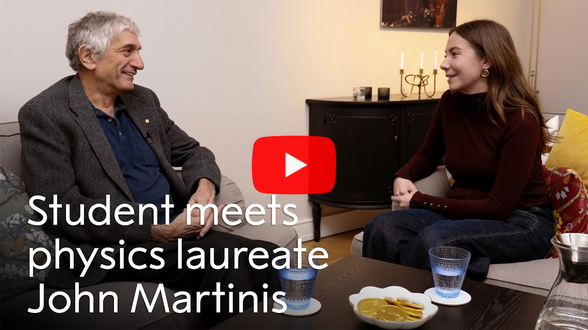
“You need the perseverance to keep going” 

Watch John Martinis, Nobel Prize laureate in physics 2025, talk about how not to be discouraged when the work feels overwhelming. “In your career, you’re always going to have setbacks. It’s just part of it,” he says in this conversation with PhD student Eleonora Svanberg.
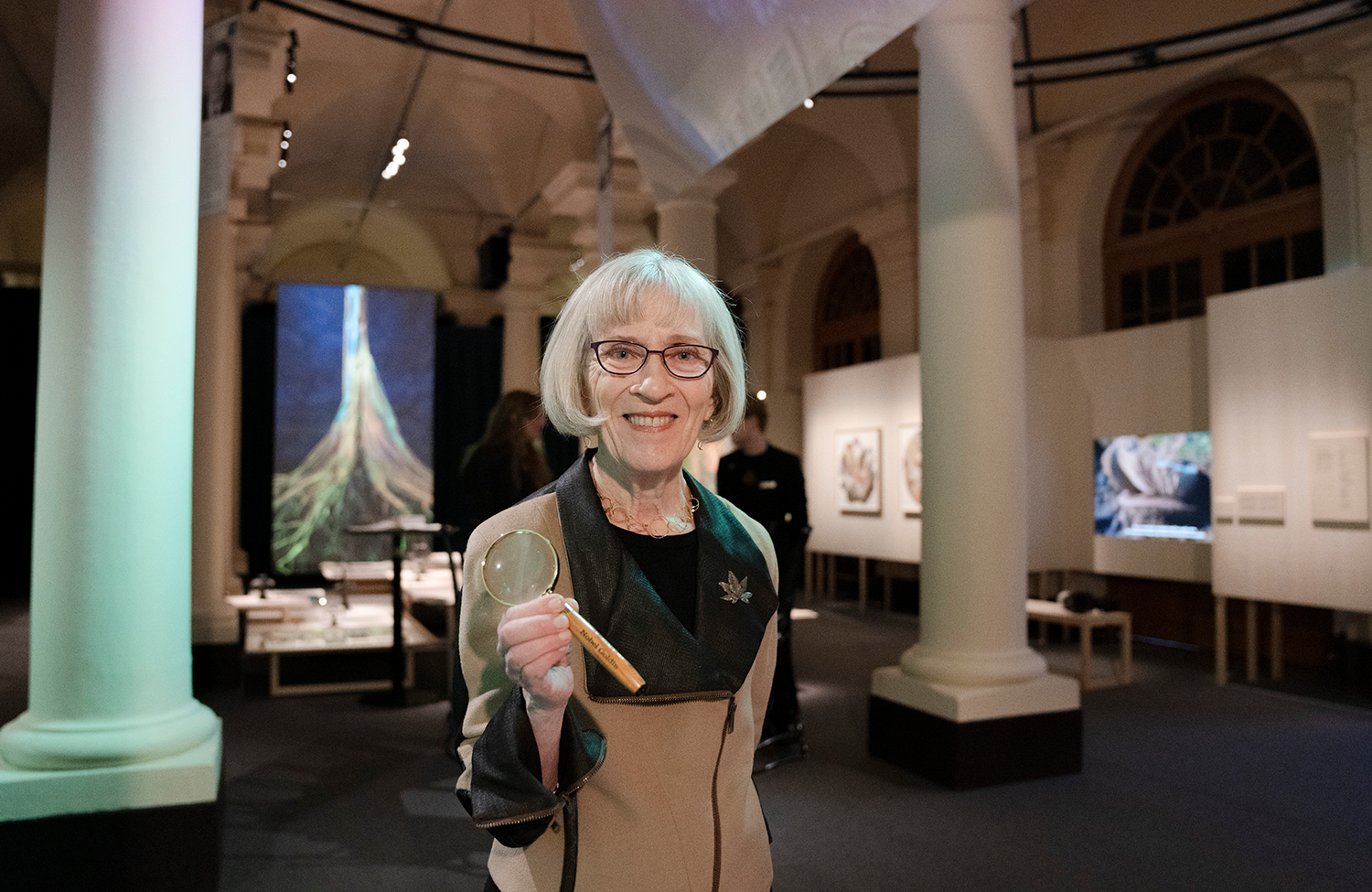
Woman with magnifying glass

Claudia Goldin with a magnifying glass. © Nobel Prize Outreach. Photo: Anna Svanberg

“I have always wanted to be a detective”

When researching women’s progress in the workforce and their earnings across a host of professions, Claudia Goldin needed detailed data that was not easily available. To help find it, she put her childhood curiosity to use. In 2023, Goldin was awarded the prize in economic sciences for having advanced our understanding of women’s labour market outcomes. Read more about Goldin’s journey towards becoming a scientist

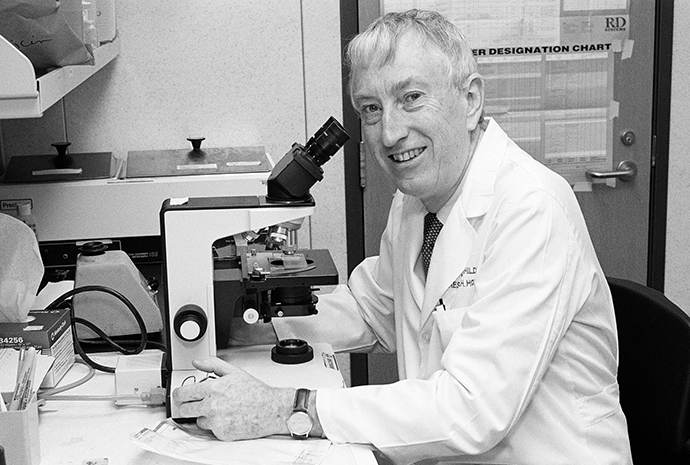
“Scientists never really grow up”

Good scientists are like perpetual adolescents, because they remain curious and want to understand how the world works, says Peter Doherty, awarded the Nobel Prize in Physiology or Medicine 1996.

Man in lab

Peter Doherty. © Nobel Prize Outreach

“Live it, eat it, dream it, sleep it”

2000 chemistry laureate Alan G. MacDiarmid compares the creative scientist to an artist composing a symphony or painting a beautiful painting – the work must envelope one's whole personality.


Watch MacDiarmid talk about the characteristics of a good scientist (starting at 19:58)

People in digital conversation

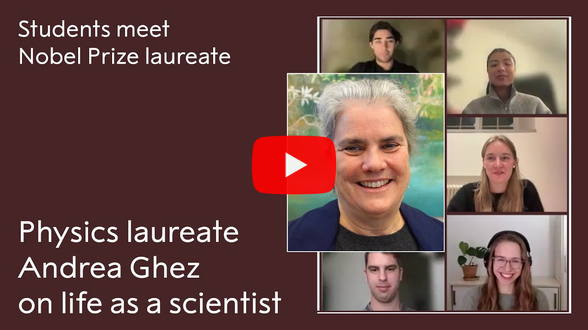
“As a scientist, make sure students become critical thinkers”

In this conversation with students from all around the world, 2020 physics laureate Andrea Ghez gives her best advice for maintaining a good work-life balance. Ghez also speaks about AI in physics and shares how she has overcome obstacles during her scientific career.

“I think it’s really searching the unknown”

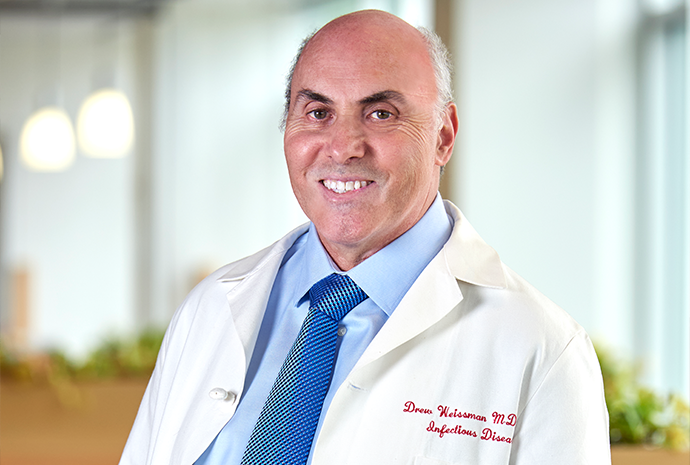
As a kid, Drew Weissman would always take things apart to understand how they functioned. As a result, “we never had a toaster that worked, and the doorknobs rarely ever worked,” he recalls.

Man smiling

Drew Weissman. Courtesy of Penn Medicine, Photography: Peggy Peterson

Monthly quiz

A scientific prize-awarder since 1901 

Ever since the first Nobel Prizes were awarded 125 years ago, one prize-awarding institution has been responsible for selecting the laureates in physics and chemistry. Since 1969, it has also awarded the economic sciences prizes. What is the name of the institution? 

Kip Thorne

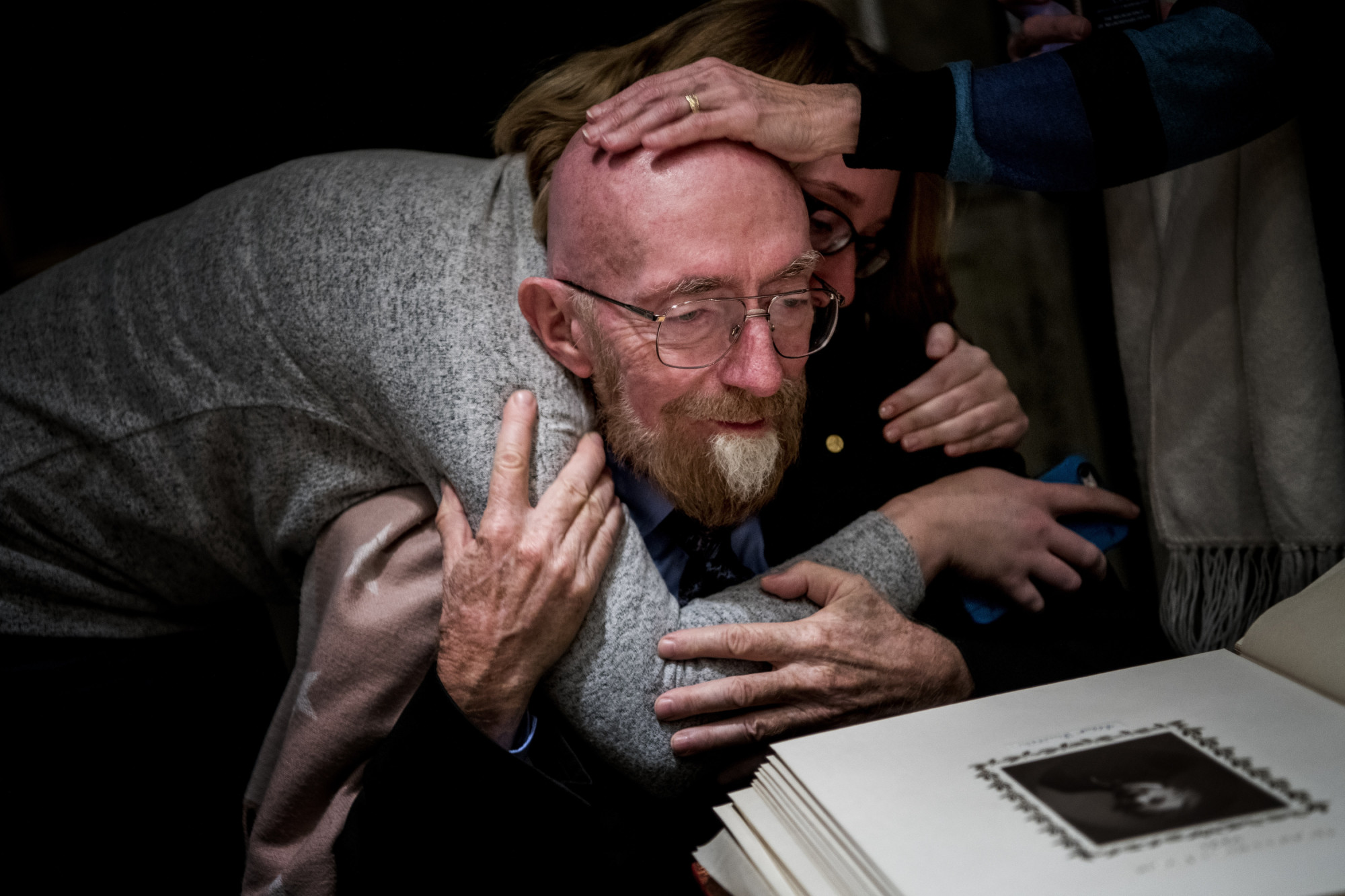
Kip Thorne, Nobel Prize laureate in physics 2017, is overcome with emotion while looking at the image and signature of fellow laureate Albert Einstein. © Nobel Prize Outreach. Photo: Alexander Mahmoud

Interested in learning more?

This email was sent to you as a subscriber of Nobel Prize monthly

We maintain a strict privacy policy for the newsletter. When you sign up, you can be assured that your email address will not be sold or given to any third party.