Marie Curie paved the way for women in science
Logo

Nobel Prize monthly, February 2026 

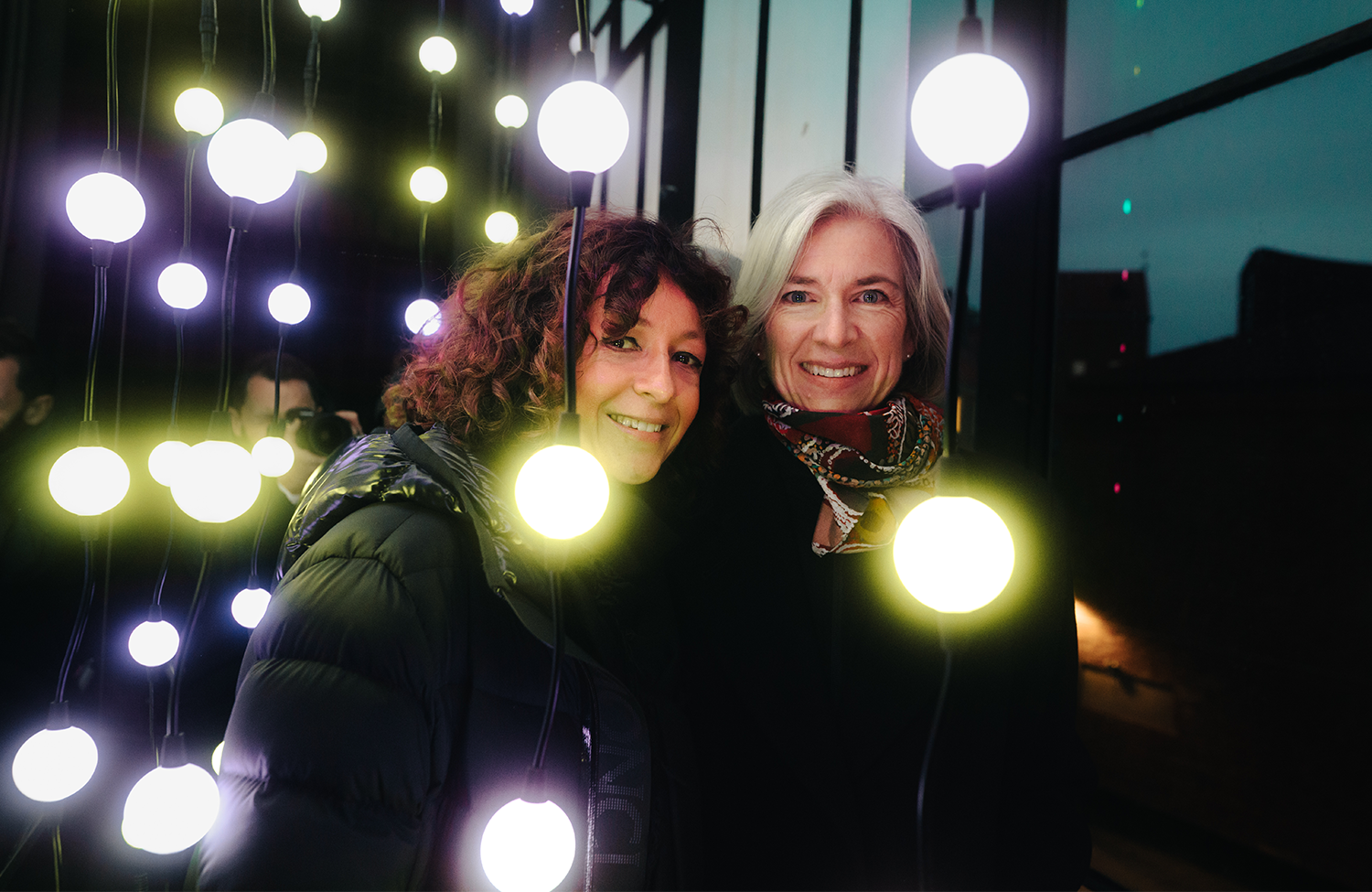
Emmanuelle Charpentier and Jennifer Doudna

Chemistry laureates Emmanuelle Charpentier and Jennifer Doudna visit a Nobel Week Lights installation based on their research, in 2022. © Nobel Prize Outreach. Photo: Clément Morin

These women changed science 

Today, we celebrate the International Day of Women and Girls in Science. The Nobel Prize and the Sveriges Riksbank Prize in Economic Sciences in Memory of Alfred Nobel have been awarded to women 68 times between 1901 and 2025. 


One woman, Marie Curie, has been honoured twice, with the Nobel Prize in Physics 1903 and the Nobel Prize in Chemistry 1911. You can read more about her below. 


On nobelprize.org, we have put together a selection of women awarded Nobel Prizes for their scientific achievements. Explore the lives and contributions of these women who changed science

Marie Curie

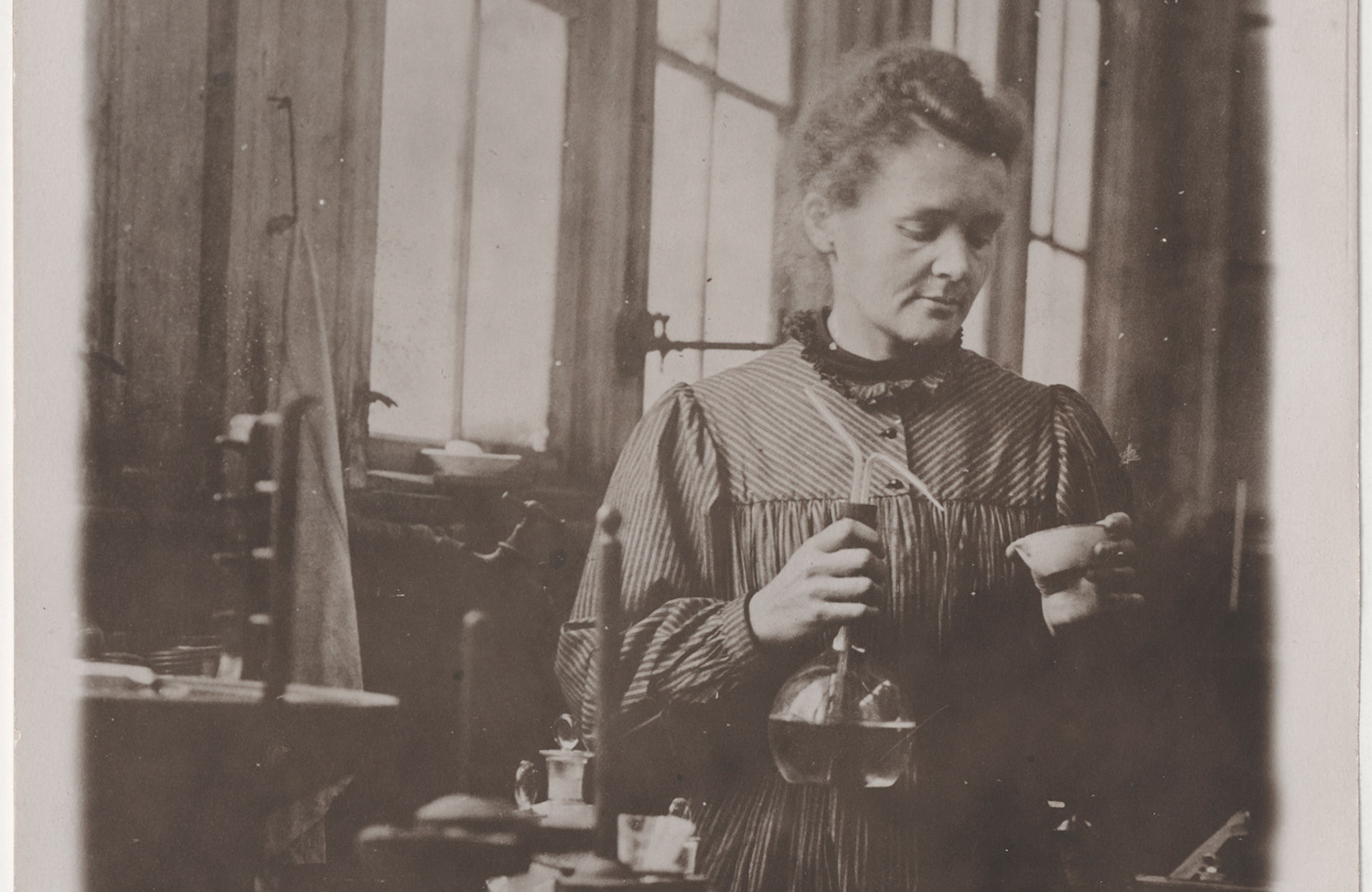
Marie Curie in the laboratory, the “discovery hangar” of l’École de physique et de chimie industrielles, Paris, circa December 1903. Credit: Archives du miroir, 1903. © Musée Curie (coll. ACJC)

An icon in the world of modern science 

Marie Curie, née Skłodowska, was the first woman awarded a Nobel Prize – in physics, just two years after the first prizes were awarded. Some years later, in 1911, she was also awarded the Nobel Prize in Chemistry. She is still the only individual to receive the prize in two different science categories. 


Marie Curie discovered polonium and radium, championed the use of radiation in medicine and fundamentally changed our understanding of radioactivity. Her dedicated work keeps inspiring generations of women scientists across the world. Read her story
Nobel Minds

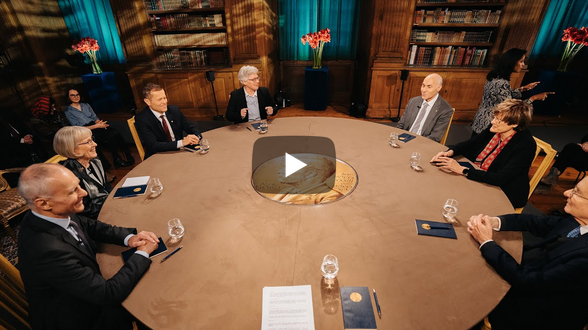
Nobel Minds.

The importance of role models 

Anne L'Huillier was awarded the Nobel Prize in Physics 2023 for her work on extremely short pulses of light that can be used to measure the rapid processes in which electrons move or change energy. In the roundtable discussion Nobel Minds, she reflects upon what it is like being a woman in science – and what it means to follow in Marie Curie's footsteps. Watch Nobel Minds


Subscribe to the Nobel Prize YouTube channel for more videos on Nobel Prize-awarded achievements.

Mapped the structure of insulin 

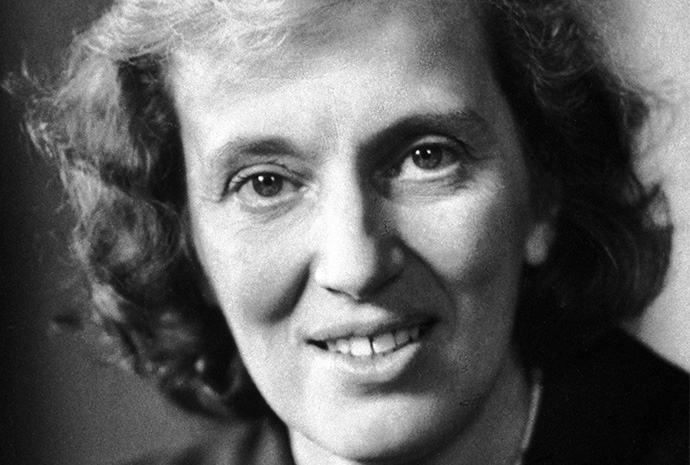
Dorothy Crowfoot Hodgkin was awarded the Nobel Prize in Chemistry 1964 for her work mapping the structures of complex molecules like vitamin B12 and penicillin.


Using X-ray crystallographic methods, she was also able to work out the structure of insulin, the hormone that helps control blood sugar levels, but that Type 1 diabetics are unable to produce.

Dorothy Crowfoot Hodgkin

Dorothy Crowfoot Hodgkin. Photo from the Nobel Foundation archive.

Because insulin contains no fewer than 788 atoms, it took a long time for her to map the entire structure – 34 years in total. Her achievement made it much easier to mass-produce insulin for the treatment of diabetes.


Read more about Crowfoot Hodgkin and other Nobel Prize-awarded work on X-ray crystallography 

Mary Brunkow

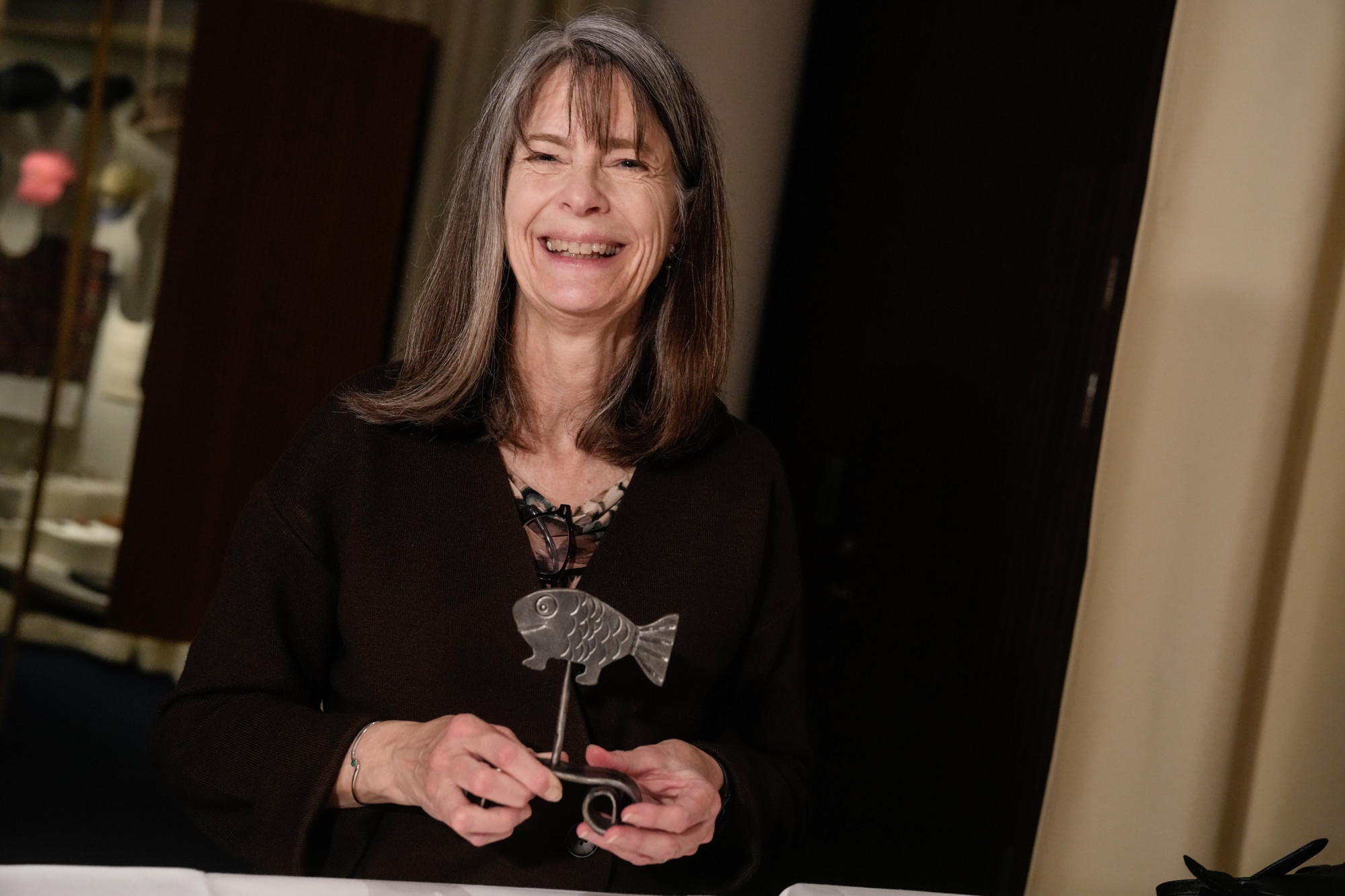
Mary Brunkow. © Nobel Prize Outreach. Photo: Anna Svanberg 

“Science is a process of seeking the truth”

2025 medicine laureate Mary Brunkow is a pioneering immunologist whose research has transformed our understanding of how the immune system maintains tolerance and prevents autoimmunity. Her work uncovered key mechanisms that keep immune responses in balance, and has shaped modern immunology. Brunkow is also a powerful example of how women’s contributions drive scientific progress. Watch her Nobel Prize lecture

“As a woman in science, I sincerely hope that my receiving a Nobel Prize will send a message to young women everywhere that the doors are open to them and that they should follow their dreams.”

– Linda Buck, Nobel Prize in Physiology or Medicine 2004.

Linda Buck

Linda Buck. Photo from the Nobel Foundation archive.

Investigated how our sense of smell works 

It took some time for Seattle-born Linda Buck to figure out how to make use of her curiosity for science. After her PhD in immunology, she became fascinated by one seemingly simple question: how does our sense of smell work? Once she started to look for the answer, she didn’t let it go. Linda Buck was awarded the Nobel Prize in Physiology or Medicine 2004. Read more about her work

Monthly quiz

The first female medicine laureate 

This Nobel Prize laureate uncovered the process of cellular energy storage and release, answering one of the most fundamental questions about how the human body works. Together with her husband Carl, she was awarded the Nobel Prize in Physiology or Medicine 1947, making her the first woman to become a medicine laureate. Who was she? Make a guess and click to submit your answer. 

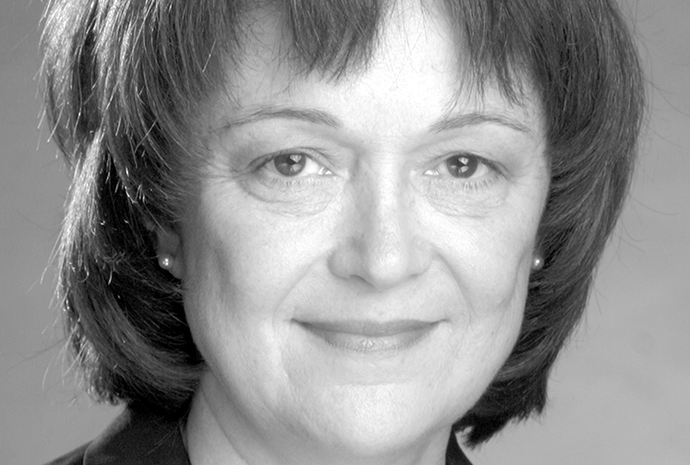
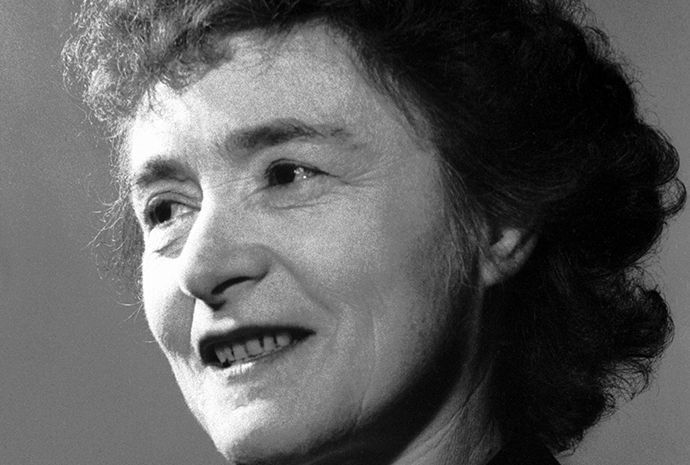
Gerty Cori

Photo: Helen Tredway Graham/Becker Medical Library. Nobel Foundation archive

Gerty Cori
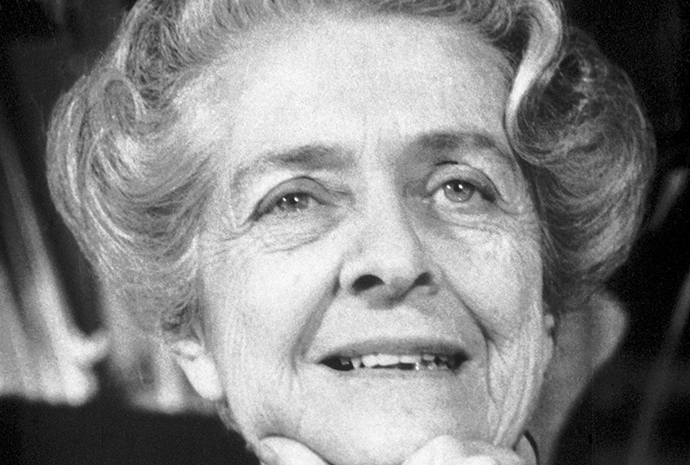
Rita Levi-Montalcini

Photo from the Nobel Foundation archive.

Rita Levi-Montalcini
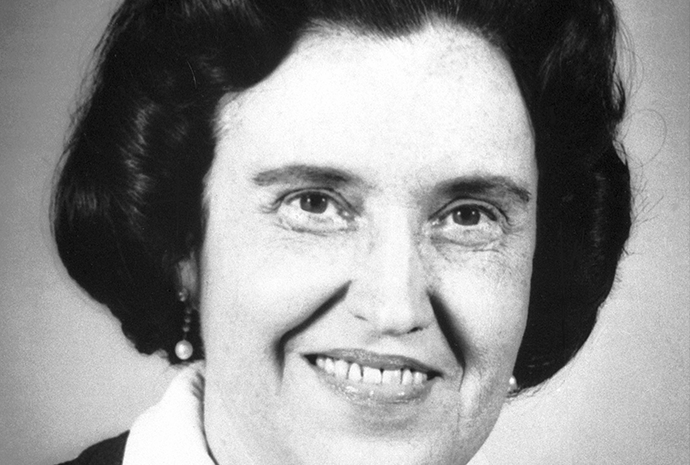
Rosalyn Yalow

Photo from the Nobel Foundation archive.

Rosalyn Yalow
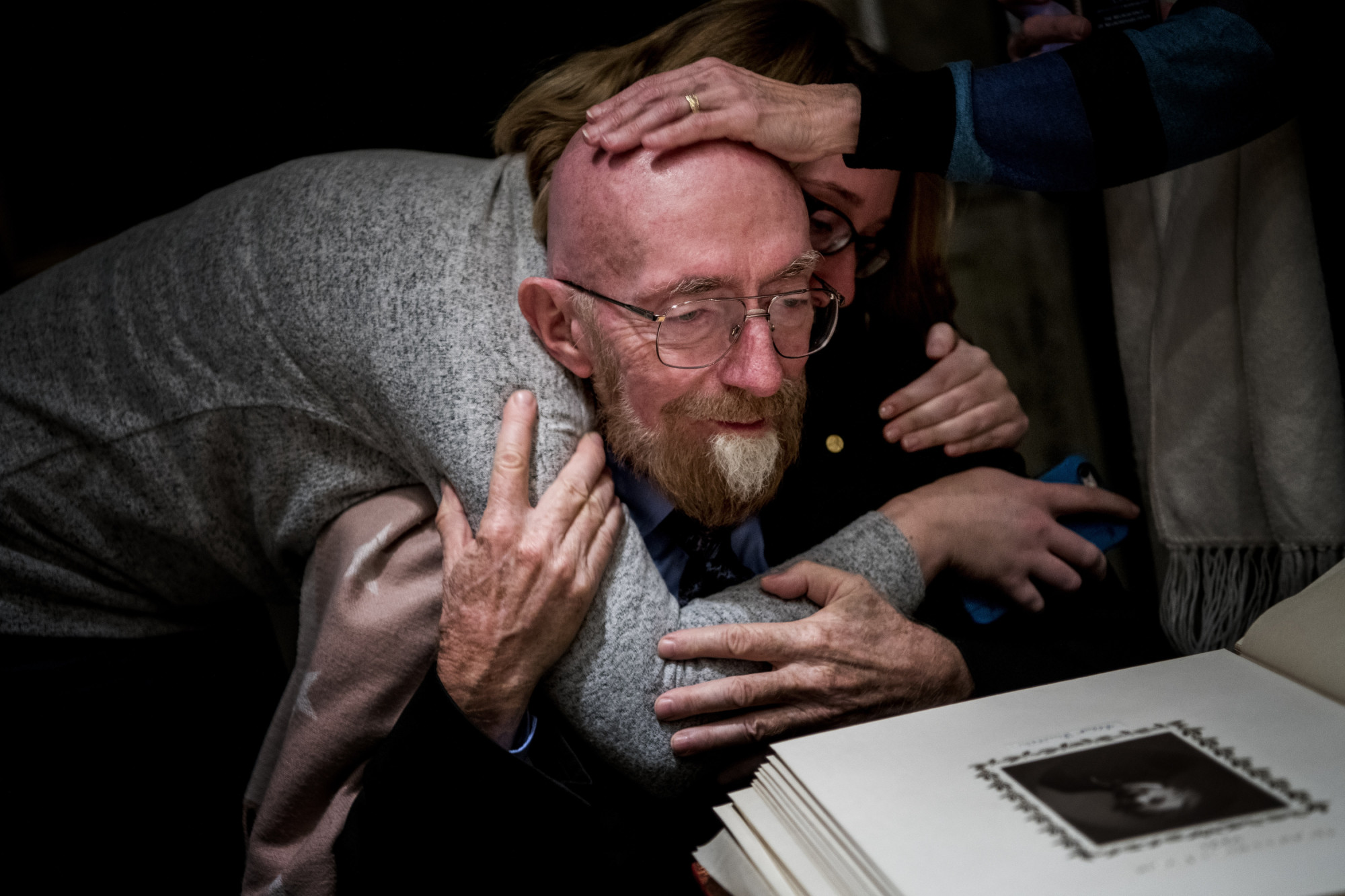
Kip Thorne

Photo: Alexander Mahmoud

This email was sent to you as a subscriber of Nobel Prize monthly

We maintain a strict privacy policy for the newsletter. When you sign up, you can be assured that your email address will not be sold or given to any third party.